Will Mulch Improve My Soil Over Time? What Works Best in Edmonton Conditions
Yes, mulch improves soil over time. This is not a cosmetic upgrade or temporary fix. It is a gradual transformation that changes how soil holds water, supports roots, and resists compaction, especially in Edmonton, where clay-heavy soil, variable moisture, and low organic content are common challenges.
When applied correctly, mulch initiates a slow but powerful shift in soil structure and biology. It contributes organic matter, fosters microbial life, improves water infiltration, and loosens compacted layers. These are not speculative effects. They are consistent results observed in landscapes that receive the right mulch, applied at the right depth, season after season.
Many homeowners apply mulch to suppress weeds or improve appearance, then overlook what happens below the surface. This article explains how mulch enhances soil over time, which types are most effective in Edmonton conditions, and what practices allow those improvements to take hold.
We begin by defining what mulch is and why only certain types offer long-term benefits to soil health.
What Is Mulch, and Why It Matters for Soil
Mulch is a material applied to the surface of soil to protect, insulate, and regulate growing conditions. While its immediate benefits include weed suppression and moisture retention, its long-term value depends on how it interacts with the soil beneath.
There are two main categories of mulch: organic and inorganic.
Organic mulch includes materials that decompose naturally, such as wood chips, bark, shredded leaves, straw, and compost. As these materials break down, they add organic matter to the soil, improve its structure, and support microbial and fungal life. This process leads to long-term improvements in soil health and function.
Inorganic mulch includes rubber, plastic sheeting, and stone. These materials do not break down, provide no nutritional benefit to soil, and may cause negative side effects such as moisture buildup or root overheating. While they can serve decorative or functional purposes, they do not improve soil over time.
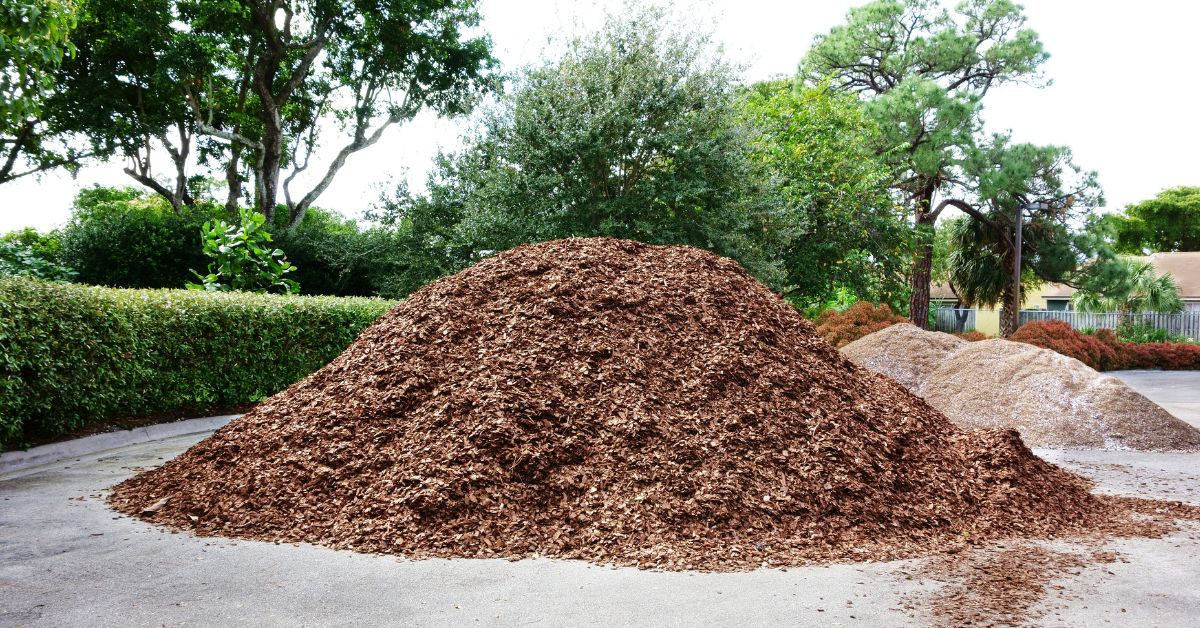
For Edmonton homeowners seeking to build better soil, organic mulch is the only effective choice. Devonian Landscape supplies four options that meet this standard: natural cedar mulch, along with black, red, and brown dyed mulch. Each provides soil-building benefits, though they differ in visual appearance, decomposition speed, and weed suppression. These differences will be examined later in the article.
The following section outlines how mulch begins to change soil over time and why consistent application produces measurable improvements.
How Mulch Changes Soil Over Time: A Clear Timeline
Mulch improves soil gradually. Its effects are not immediate but develop through consistent physical coverage, biological activity, and the accumulation of organic matter. Understanding this progression helps homeowners set realistic expectations and recognize the long-term value of proper mulch use.
Month 1
Shortly after application, mulch begins to stabilize surface conditions. It limits evaporation, suppresses weed germination, and insulates the root zone. Soil temperature becomes more consistent, and water penetrates more effectively, particularly in exposed beds or compacted areas common to Edmonton landscapes.
Season 1
As mulch settles, microbial life begins to increase near the soil surface. Temperature regulation improves root function in both spring and summer. The topsoil softens slightly, and water retention becomes more reliable, especially around trees and garden beds.
Year 1
Decomposition intensifies. Fungi, bacteria, and soil organisms start converting mulch into smaller particles. This organic input improves soil texture, increases water absorption, and promotes deeper root development. Many homeowners begin to see stronger plant growth without major changes in irrigation or fertilization.
Year 2 and Beyond
Long-term transformation becomes visible. Earthworms return, clay soil becomes easier to dig, and surface crusting decreases. Water drains more efficiently, air reaches deeper root zones, and the overall soil condition improves in both structure and function.
These changes are not theoretical. They reflect observable outcomes in Edmonton yards where mulch is applied with the correct depth, material, and timing. The next section explains the biological and structural processes behind these results.
The Science Behind It: How Organic Mulch Improves Soil
Organic mulch improves soil because it becomes part of the soil system. As it decomposes, it feeds soil organisms, alters structure, and influences how water and nutrients move through the ground. These changes are especially valuable in Edmonton’s compacted, low-organic clay soils.
Organic matter accumulation
As mulch breaks down, it releases carbon-based material that enriches the upper soil layers. This organic matter improves tilth, stabilizes structure, and enhances the soil’s ability to retain nutrients. In clay soil, this reduces crusting, improves drainage, and supports healthy plant growth.
Microbial and fungal activity
Mulch supports the growth of fungi, bacteria, and other microorganisms that break down organic material into usable nutrients. This process strengthens root systems, supports natural disease resistance, and contributes to long-term soil fertility.
Soil structure improvement
Clay soils are prone to compaction, which restricts airflow and water movement. As organic mulch decomposes, it helps bind fine particles into aggregates. These clusters create pore space for oxygen and water, leading to better drainage and stronger root development.
Water infiltration and retention
Mulched soil absorbs water more efficiently and holds moisture longer. This reduces runoff, supports deep watering, and improves plant resilience during Edmonton’s dry summer months.
These outcomes require the right material. Only clean, organic mulch that is free of contaminants and properly aged will produce these results. Devonian’s cedar mulch is particularly effective. It decomposes at a steady pace, supports healthy microbial growth, and improves soil gradually without the need for frequent reapplication.
Next, we examine which mulch products deliver the best long-term results in Edmonton landscapes.
Which Mulch Works Best for Soil Health in Edmonton
Mulch materials vary in how they affect soil. Some decompose quickly and contribute organic matter. Others persist longer but provide fewer soil-building benefits. For Edmonton homeowners managing dense clay and freeze-thaw cycles, choosing the right mulch is essential for long-term soil improvement.
Cedar mulch
Cedar mulch is well suited to Edmonton conditions. It breaks down slowly, providing steady organic input over multiple seasons. Its natural oils deter surface-level fungal growth without disrupting beneficial microbial life. Because cedar decomposes at a controlled rate, it creates a consistent food source for fungi and bacteria that build soil structure. Devonian stocks high-quality natural cedar mulch that improves soil while maintaining a clean, uniform appearance.
Dyed black, red, and brown mulch
Dyed mulch offers strong weed suppression and visual contrast. If made from untreated wood, it still contributes organic matter, though at a slower rate than raw mulch. Devonian’s dyed products use landscape-safe colourants and are suitable for homeowners who want both curb appeal and moderate soil improvement.
Avoid rubber and plastic mulch
Synthetic mulches do not decompose. They provide no organic benefit and may trap heat or restrict airflow. These materials are sometimes used in commercial settings but are not appropriate for garden beds, tree rings, or any areas where soil health is a goal.
Application tips for Edmonton conditions
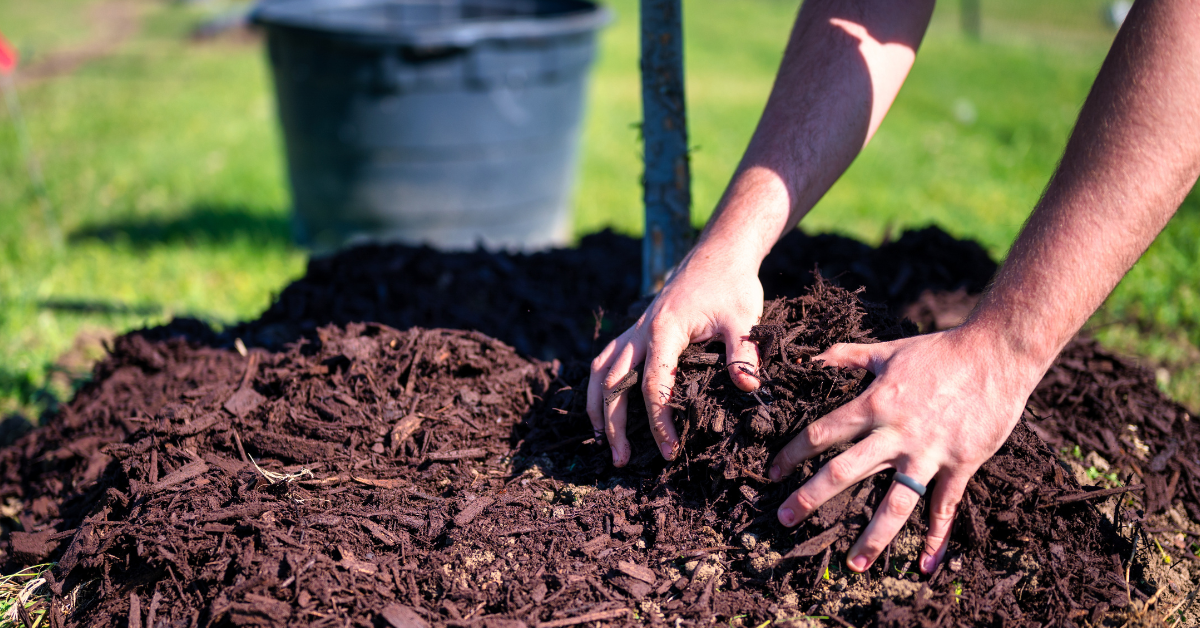
Apply organic mulch at a depth of two to three inches. Loosen the soil surface beforehand to improve air and water movement. Keep mulch two to three inches away from stems and trunks to prevent rot. Apply in early spring or late fall to support microbial activity and seasonal insulation.
Once the correct mulch is selected, proper use becomes the next priority. The following section outlines common mistakes that prevent mulch from improving soil.
Common Mistakes That Prevent Mulch from Improving Soil
Mulch only improves soil when applied and maintained correctly. Several common mistakes can limit or even reverse the intended benefits, particularly in Edmonton’s compacted, moisture-sensitive soils.
Using synthetic mulch expecting organic results
Rubber, plastic, and stone mulches do not break down. They offer no organic input and may block moisture or trap excess heat. These materials are unsuitable for anyone aiming to build healthy soil.
Applying mulch at the wrong depth
Mulch should be applied evenly at a depth of two to three inches. A thin layer dries out quickly and provides minimal benefit. Excessively thick layers can suffocate roots, block water, and promote fungal matting. Uniform application is essential.
Skipping soil preparation
Placing mulch on dry or compacted soil reduces its effectiveness. Loosen the top few inches of soil before application to allow oxygen and water to reach the root zone. This is especially important for clay-heavy soils that tend to seal on the surface.
Piling mulch against stems and trunks
Stacking mulch against the base of trees or plants traps moisture and encourages decay. Leave a two to three inch gap around trunks and stems to reduce rot and pest activity.
Reapplying without checking existing mulch
Annual mulching is beneficial, but adding more without assessing the current layer can lead to over-mulching. If the previous layer remains intact, turn or loosen it before topping up. Compacted mulch should be broken apart or partially removed to restore airflow and moisture movement.
When applied with care, mulch becomes one of the most effective tools for long-term soil improvement. The next section outlines what homeowners can expect when mulch is used correctly and maintained over time.
Ask Devonian: Choosing the Right Mulch for Your Yard
Improving soil begins with selecting the correct mulch and applying it with purpose. Devonian Landscape supplies mulch products suited to Edmonton’s soil and climate conditions, including cedar mulch for steady decomposition and dyed options for visual contrast with moderate soil benefits.
For homeowners unsure which mulch is best for their property, Devonian offers support tailored to local conditions. Whether enhancing garden beds, tree rings, or compacted areas, our team provides:
- Bulk mulch delivery throughout Edmonton and surrounding communities
- Professional mulch installation for residential landscapes
- Recommendations based on your soil type, yard layout, and exposure
- Guidance on mulch depth, application timing, and soil preparation
Mulch selection is not a purely aesthetic decision. When chosen and used correctly, it becomes a long-term investment in soil health. For product recommendations or installation support, contact Devonian Landscape for a consultation or quote.
Frequently Asked Questions
Should I remove old mulch before adding new mulch?
If the existing mulch is loose and less than three inches deep, it may be topped up. If it is compacted or matted, loosen or remove it before applying more.
Is mulch better than compost for improving soil?
Compost adds nutrients directly. Mulch builds soil structure and supports long-term microbial activity. For sustained soil improvement, mulch is more effective in exposed or landscaped areas.
Does dyed mulch still improve soil over time?
Yes, provided it is made from untreated wood and coloured with landscape-safe dyes. Devonian’s dyed mulches meet these standards and contribute organic matter gradually.
Can I use mulch as a substitute for fertilizer?
Mulch is not a fertilizer. It feeds soil organisms that release nutrients over time but does not provide immediate nutrient input. It should be used alongside other soil management practices.
What is the difference between mulch that improves soil and mulch that only covers it?
Mulch improves soil when it breaks down and adds organic matter. Synthetic or non-decomposing materials only provide surface coverage without contributing to soil quality.
Conclusion: Mulch Builds Better Soil Over Time
Mulch does more than enhance appearance or control weeds. When used properly, it becomes a foundation for long-term soil improvement. In Edmonton, where clay soils and seasonal extremes present ongoing challenges, consistent mulching offers a reliable path to healthier, more workable soil.
The key is to use the right material, apply it at the correct depth, and maintain it with care. Organic mulch, and especially cedar improves structure, supports microbial life, and enhances root development over time.
Devonian Landscape supplies and installs mulch that delivers these results. Whether you are restoring compacted beds or planning a new landscape, our products and local expertise support soil improvement from the ground up.
Request a quote or contact our team to find the mulch that suits your yard and soil goals.