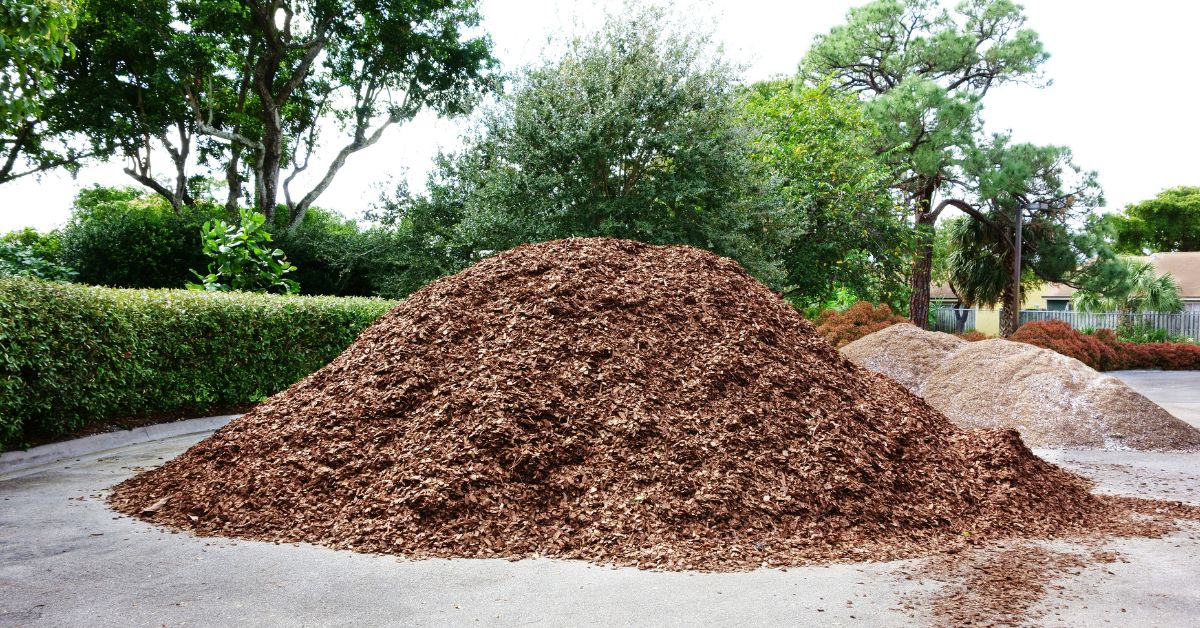

How to Mulch Around Trees: A Step-by-Step Guide for Healthy Landscapes
Mulching around trees is a crucial practice for Edmonton homeowners. When done correctly, it helps tree roots retain moisture, endure winter frost, and outcompete surrounding grass. However, improper application is common. Piling mulch against the trunk, choosing unsuitable materials, or applying excessive depth can suffocate roots, promote decay, and compromise tree stability.
Edmonton’s clay-heavy soil and intense seasonal shifts require a precise approach. A properly installed mulch ring does more than enhance visual appeal. It safeguards the root zone, improves soil structure, and supports vigorous growth, especially in young or recently transplanted trees.
This guide explains how to mulch around trees with proper technique, suitable materials, and region-specific maintenance. It also outlines common mistakes to avoid and highlights how Devonian Landscape’s mulch products protect tree health in Edmonton landscapes.
Why Trees Need Mulch in Edmonton
Tree roots remain close to the surface. Most are found within the top 12 to 18 inches of soil, where they are exposed to temperature swings, moisture loss, and physical damage from lawn equipment. Learning how to mulch around trees effectively addresses each of these risks.
In Edmonton’s climate, where dry summers and rapid spring thaws are common, mulch plays a vital role. It conserves moisture between rainfall, prevents frost heave that lifts and damages roots, and protects trunks from mower blades and trimmers.
Mulch also reduces weed competition by blocking sunlight and limiting seed germination. This allows the tree to absorb more water and nutrients during periods of active growth. As mulch breaks down, it contributes organic matter to the soil, improving structure and microbial activity. This is especially important in compacted clay soils that dominate Edmonton yards.
When installed correctly, mulch is not simply decorative. It promotes root development, strengthens resilience, and improves long-term tree health.
Step-by-Step: How to Properly Mulch Around a Tree
Knowing how to mulch around trees correctly prevents common installation errors that can harm root systems and reduce long-term tree vitality. Follow these steps to ensure proper coverage and lasting benefit.
Clear the Base of the Tree
Remove all grass, weeds, and debris from the root zone. Do not leave lawn thatch, compacted soil, or decomposed mulch in place. If the root flare is buried, carefully expose it before applying fresh mulch.
Apply Mulch Two to Four Inches Deep
Maintain a uniform depth across the entire ring. Less than two inches will not suppress weeds. More than four inches may trap moisture and restrict oxygen flow. Avoid creating uneven mounds or depressions.
Keep Mulch Away from the Trunk
Leave a clear zone at the base of the tree, six to twelve inches wide. This prevents rot, insect infestation, and bark deterioration. The root flare must remain fully visible and exposed to air.
Extend the Mulch Ring to the Drip Line
Whenever possible, apply mulch to the full width of the tree’s drip line—the outer edge of its canopy. At minimum, the ring should reach two to three feet from the trunk to protect feeder roots.
Water Lightly After Installation
Moisten the mulch with a light spray to help it settle and begin binding to itself. Avoid heavy watering, especially in clay soils with slower drainage.
Pro Tip:
Use a rake instead of a shovel when applying or refreshing mulch. This preserves surface texture, reduces soil compaction, and minimizes disturbance to shallow roots.
Choosing the Right Mulch for Your Trees
Selecting the correct material is critical when learning how to mulch around trees effectively. The wrong mulch can compact too tightly, break down too quickly, or introduce synthetic compounds that interfere with soil health. The ideal product depends on your soil conditions, tree species, and landscape objectives.
Cedar Mulch
Cedar mulch is naturally resistant to pests and decay, making it suitable for long-term use. It decomposes slowly, holds its shape, and retains its colour. These characteristics make it ideal for ornamental or evergreen trees in high-visibility areas.
Black Mulch
Black mulch provides visual contrast and helps warm the soil in early spring, encouraging earlier root activity. It is often used around evergreens and in modern landscape designs. It should not be used near fruit trees, as the dye may pose a risk to edible crops.
Red or Brown Mulch
These mulches offer a more natural appearance and blend well with wooded or rustic settings. They work best in informal garden beds or where a softer colour palette is preferred. Choose a tone that complements surrounding bark, stone, or plantings.
Avoid Low-Quality or Overly Fine Mulch
Fine-textured mulch or material that compacts easily may retain excess moisture and restrict airflow to the roots. This is particularly problematic in clay-rich soils, where drainage is already limited. Always choose coarse, well-structured mulch that allows water and oxygen to reach the root zone.
Soil Type Considerations
Knowing how to mulch around trees also requires understanding the interaction between mulch and soil type. Edmonton’s clay-heavy soils behave differently than sandy or loamy substrates and must be managed accordingly.
Clay Soils (Common in Edmonton)
Clay retains moisture for extended periods and compacts easily. To prevent fungal growth and promote adequate air circulation, use coarse mulch such as natural cedar. Avoid fine or densely packed materials that may trap excess water near the root zone.
Sandy Soils
Sandy soils drain quickly and lose nutrients at a faster rate. In these cases, finer mulch can help conserve moisture and slow evaporation. A wider mulch ring may also be necessary to stabilize soil temperature and reduce surface drying.
Pro Tip:
Although most mulch dyes are inert once dried, dyed mulch is often manufactured from recycled or composite wood. These materials may contain adhesives or preservatives. Avoid using dyed mulch near fruit trees or vegetable gardens. For safety around edibles, select natural cedar or undyed brown mulch.
Seasonal Mulch Maintenance for Edmonton Trees
Applying mulch is not a one-time task. Edmonton’s freeze-thaw cycles, dry summers, and early snowfalls cause mulch to settle, decompose, or develop fungal issues. Regular maintenance ensures continued protection and supports overall tree health.
Spring
Loosen the surface layer with a rake to relieve compaction caused by snow and ice. Remove any mold, fungus, or decayed material that formed over winter. Reapply mulch where depth has dropped below two inches.
Summer
Monitor moisture retention. During periods of heavy rainfall, mulch in clay soil may trap excess water. If the surface becomes matted or shows signs of algae growth, loosen it to improve airflow and drainage.
Fall
Add a fresh layer of mulch before the ground freezes. This insulates roots and provides additional protection for young or recently transplanted trees.
Winter
Leave mulch undisturbed. Snow acts as a natural insulator. Avoid shovelling or disturbing the mulch ring during cold months to prevent damage to the root zone.
Avoid These Common Mulching Mistakes
Even with the right materials, improper technique can cause lasting harm. Understanding how to mulch around trees includes knowing what to avoid. The following errors are among the most common and damaging.
Piling Mulch Against the Trunk
Stacking mulch directly against the trunk traps moisture, softens bark, and invites pests and rot. Over time, this weakens the structural integrity of the tree. Always leave a clear space between the trunk and the beginning of the mulch ring.
Applying Mulch Too Deeply
Excessive mulch depth restricts oxygen, holds too much moisture, and can suffocate roots. Maintain a consistent layer between two and four inches. Avoid adding new material without first checking existing depth.
Allowing Old Mulch to Compact
Over time, mulch can form a dense layer that blocks air and water from reaching the soil. Before applying more mulch, loosen or remove compacted material to restore function.
Using Landscape Fabric Beneath Mulch
Synthetic fabric restricts airflow and water penetration. It also causes mulch to shift, especially after rain. For tree beds, avoid any barrier between soil and mulch.
Neglecting Seasonal Maintenance
Mulch requires inspection and adjustment. Leaving it unchecked through Edmonton’s seasonal extremes can result in decay, root suffocation, or imbalance in moisture distribution.
Tree Health Decline Checklist
Improper mulching can lead to gradual but serious damage. Use this checklist to identify early signs that your mulch ring may be harming your tree.
Signs of Poor Mulching Practices:
☐ Bark at the base of the tree appears soft, wet, or discoloured
☐ Surface roots are lifting or becoming exposed
☐ Tree canopy looks sparse or leaves are dropping prematurely
☐ Mushrooms or mold are visible in or on the mulch layer
☐ Standing water remains near the trunk after rainfall
☐ The root flare at the base of the trunk is buried beneath mulch
If you check one or more of these:
Adjust the mulch depth, remove excess material from around the trunk, and ensure proper airflow and drainage to prevent further decline.
Pro Tip:
If the root flare is not visible at the base of the tree, your mulch is too deep or applied incorrectly. Always uncover the flare to allow for air exchange and proper trunk development.
Finishing Touches: What to Pair With Mulch Around Trees
A well-constructed mulch ring enhances both the function and appearance of a landscape. Pairing mulch with the right materials helps define borders, reduce maintenance, and protect the tree’s root zone over time.
Edging Stones
Stone edging creates a clean boundary, contains the mulch, and prevents it from spilling into the surrounding lawn. It also shields the mulch ring from mower blades and allows for easier trimming.
Landscape Rock
Rock can be placed around the outer edge of the mulch ring or between multiple tree beds. It reduces weed intrusion, improves erosion control, and introduces visual contrast in high-traffic areas.
Topsoil or Marginal Clay
Before applying mulch, use screened topsoil or marginal clay to level uneven ground. A smooth base supports proper drainage and prevents mulch from drifting toward the trunk or collecting in low spots.
Pro Tip:
Always level the soil before mulching. Uneven terrain allows mulch to shift, gather near the trunk, or leave exposed gaps that dry out roots. Use a rake to grade a gentle slope away from the base of the tree.
Sourcing Mulch for Tree Beds in Edmonton
Knowing how to mulch around trees begins with selecting the correct material and supplier. Sourcing high-quality mulch ensures consistency, proper performance, and compatibility with Edmonton’s climate and soil.
Devonian Landscape offers a full selection of mulch products tailored to local conditions. Options include cedar, black, red, and brown mulch, available in bulk or by the bag. All materials are stocked on site to ensure they are clean, dry, and ready for installation upon delivery or pickup.
Need help determining how much mulch you need?
Devonian’s team can assist with accurate volume estimates based on tree size and ring dimensions. Homeowners can upload a photo or use the online calculator to receive prompt, tailored support.
Frequently Asked Questions
How much mulch is needed around a tree?
A mulch ring with a three-foot radius and a depth of three inches typically requires three to four standard bags of mulch.
Should old mulch be removed before applying a new layer?
Yes. If existing mulch is compacted, moldy, or exceeds four inches in depth, it should be loosened or removed before adding more.
Is cedar mulch safe for use near fruit trees?
Yes, if it is natural and undyed. Dyed mulch should not be placed near edible plants due to the potential for chemical residue.
What material is best around the base of a tree?
Coarse, natural mulch such as cedar or wood chips is preferred. Avoid gravel, grass, or any material that contacts the trunk directly.
Are wood chips appropriate for tree beds?
Yes, provided they are coarse and well-structured. Fine or shredded material should be avoided, especially in clay-heavy soils.
How often should mulch be replaced?
Inspect annually. Reapply in spring or fall as needed, and fully replace mulch every two to three years depending on condition and breakdown.
Make Mulch Work for Your Trees, Not Against Them
Understanding how to mulch around trees correctly is essential for long-term landscape health. When properly applied, mulch conserves moisture, suppresses weeds, protects roots from temperature extremes, and improves soil structure. When applied incorrectly, it can suffocate roots, trap moisture, and compromise the stability of the tree.
Success depends on three factors: using the correct technique, selecting the right materials, and working with a trusted supplier. Devonian Landscape offers premium mulch products suited to Edmonton’s soil and climate. Our team provides expert guidance to support both residential and commercial installations.
Whether updating existing beds or starting from scratch, Devonian Landscape is ready to assist. Choose the right mulch, determine the required volume, and receive your materials on time with local pickup or delivery.
Ready to mulch with confidence?
Browse our mulch products or contact Devonian Landscape for expert help selecting the best option for your trees.