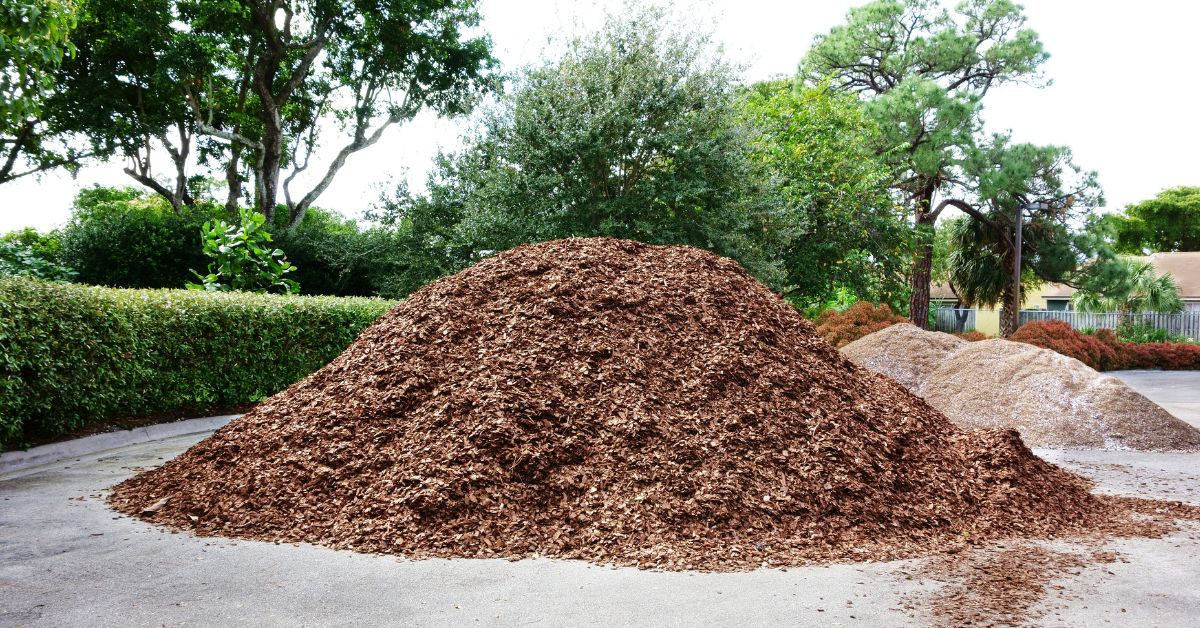
Mulch supports healthy landscapes by retaining soil moisture, regulating temperature, and reducing weed growth. However, in Edmonton’s damp spring season and shaded garden areas, it can also create conditions where mold and fungus thrive. Homeowners may notice white patches, yellow clumps, or dark specks appearing across their mulch beds.
Although most fungal growth in mulch is not harmful, it can disrupt the appearance of your landscape and, in certain cases, damage nearby structures or plants. Artillery fungus, for example, can launch spores that adhere to siding and outdoor surfaces.
The solution is not to avoid mulch, but to apply it with greater awareness of moisture control, airflow, and material selection. This article explains how mold forms in mulch, how to prevent it using correct techniques, and which mulch products perform best in Edmonton’s unique climate. Devonian Landscape offers mulch options that resist mold naturally, including high-quality cedar and bark-based blends.
Why Mold Grows in Mulch
Mold develops in mulch when organic materials break down under moist, compacted, and poorly ventilated conditions. This is a natural part of decomposition, but it becomes problematic when the environment allows fungal growth to spread rapidly or persist for extended periods.
In Edmonton, several factors contribute to this issue:
Excess Moisture
Frequent rainfall, overwatering, or poor drainage leads to consistently damp mulch beds. When water collects beneath the surface and cannot evaporate, it creates ideal conditions for fungal colonies to form.
Lack of Airflow
Compacted mulch or overly thick layers prevent air from circulating. Without adequate ventilation, heat and humidity build up, accelerating the decomposition process and inviting mold to spread.
Low Sunlight
Shaded areas that receive little direct sun remain cooler and retain moisture longer. These spots dry out slowly, which makes them more vulnerable to surface mold and slime fungi.
Mulch Type and Quality
Uncomposted wood chips or low-grade mulch contain higher levels of cellulose and moisture-retaining materials. These decompose quickly and support mold development. Bark mulch and cedar tend to resist fungal growth due to their natural properties and slower breakdown.
Understanding these causes allows homeowners to choose the right mulch and maintain it properly to reduce mold risk from the start.
Common Types of Mulch Mold and Fungi

Not all mold in mulch poses a threat to plants, people, or pets. However, identifying what is growing in your landscape is essential for determining whether removal, replacement, or simple maintenance is needed. The following are the most common types of fungal growth found in mulch:
White Mold
White mold appears as a cotton-like film or thread across the surface of mulch. It is part of the natural decomposition process and typically disappears as the mulch dries out. This type of mold is not harmful and can be managed by raking the mulch to increase airflow.
Yellow Fungus (Slime Mold)
Often called “dog vomit fungus” due to its bright yellow, foamy appearance, this mold is technically a slime mold rather than a true fungus. It thrives in damp, shady locations and feeds on decaying organic matter. Although it may look concerning, it is not toxic and can be left alone or gently removed for aesthetic reasons.
Artillery Fungus
Artillery fungus appears as small black dots and is known for shooting sticky spores toward nearby surfaces. These spores can permanently stain siding, fences, and cars. This fungus prefers moist wood mulch, especially those made from shredded hardwood. Once artillery fungus appears, it is difficult to control without removing the mulch entirely.
By recognizing the type of mold present, you can decide whether simple care steps will suffice or if the mulch needs to be replaced with a more resistant material such as cedar.
How to Prevent Mold Growth in Mulch
To reduce fungal buildup, focus on the following six strategies:
Use Mold-Resistant Mulch
Cedar mulch contains natural antifungal oils that reduce the likelihood of mold. Bark mulch also decomposes slowly and allows for better airflow than fresh wood chips or low-grade shredded mulch. Devonian Landscape offers cedar and bark mulches that are well suited for Edmonton’s moisture conditions.
Apply at the Correct Depth
Apply mulch in a layer no deeper than 2 to 3 inches. Thicker layers hold excessive moisture, block air circulation, and encourage fungal growth. Shallower mulch beds allow rainwater to evaporate faster and prevent anaerobic pockets beneath the surface.
Keep Mulch Away from Structures and Plant Stems
Leave a small buffer around the base of trees, shrubs, and garden plants. This helps prevent mold from climbing or transferring to stems. Avoid piling mulch against fences, foundations, or siding where air circulation is limited.
Rake Mulch Regularly
Loosening the surface of the mulch bed with a rake improves airflow and breaks up early fungal patches. This should be done after periods of heavy rain, or once per month during wet seasons.
Avoid Overwatering
Water early in the morning to allow mulch to dry throughout the day. Drip irrigation systems that deliver water directly to plant roots help reduce surface moisture. Avoid soaking mulch beds or watering late in the evening.
Improve Drainage
If mulch consistently holds water, consider grading the area or mixing in sand to improve runoff. This is especially important in Edmonton’s clay-heavy soils, which tend to retain moisture near the surface.
Proper mulch selection, combined with consistent maintenance, prevents most fungal issues before they begin.
What to Do If You Already Have Mold
If mold has already developed, take the following actions to manage or remove it safely:
Determine Whether Removal Is Necessary
Not all mold in mulch requires removal. White and yellow molds are usually harmless and may disappear on their own as conditions dry. If the mulch does not smell sour, and the growth is superficial, raking and drying are often sufficient.
Replace mulch if you notice:
- Persistent foul odour
- Rapid mold regrowth after aeration
- Artillery fungus shooting spores onto surfaces
- Visible slime or rot deep within the mulch layer
Rake and Aerate the Mulch
Use a garden rake to break up clumps, loosen compacted areas, and expose the mulch to air and sunlight. This dries out surface moisture and interrupts fungal growth.
Allow Mulch to Dry Naturally
Avoid watering the area for several days. If weather permits, let the mulch dry fully before watering again. Reducing moisture is the most effective way to stop mold from spreading.
Use Natural Cleaning Methods
If mold patches are unsightly or widespread, a solution of vinegar and water can be sprayed lightly across the surface. Do not saturate the mulch, and avoid applying chemical fungicides, which are often unnecessary and can harm nearby plants.
Remove and Replace as a Last Resort
If artillery fungus is present, or if mold returns repeatedly despite maintenance, remove the mulch entirely. Dispose of it in yard waste bags or municipal green bins, and replace it with a mold-resistant option such as cedar mulch from Devonian Landscape.
Devonian Landscape’s Mulch Recommendations
Devonian Landscape offers a range of mulch products designed to meet the moisture, airflow, and visual needs of Edmonton gardens. Compare their mold resistance and landscape applications below:
| Mulch Type | Mold Resistance | Benefits | Best Uses | Availability |
| Cedar Mulch | Excellent | Natural antifungal oils, slow to break down, promotes airflow | Shaded areas, tree rings, perennial beds | Bulk and bagged |
| Bark Mulch | High | Holds shape, less compaction, better breathability than wood chips | Garden beds, shrubs, around foundations | Bulk and bagged |
| Black Mulch | Moderate | Decorative, retains warmth, enhances contrast in sunny areas | Flower beds, front yards, well-drained locations | Colour-enhanced, bulk and bagged |
| Brown Mulch | Moderate | Natural look, blends with most landscapes | General-purpose landscaping | Colour-enhanced, bulk and bagged |
| Red Mulch | Lower | Bold visual impact, brightens plantings | Accent areas with full sun and good drainage | Colour-enhanced, bulk and bagged |
Edmonton-Specific Tips and Maintenance
Landscaping in Edmonton presents unique challenges that increase the likelihood of mold growth in mulch. From dense clay soils to prolonged spring moisture, certain environmental conditions require added care and smarter product choices.
Understand Local Soil Conditions
Much of Edmonton’s soil is clay-heavy, which holds water and drains slowly. When mulch is applied over saturated clay, moisture becomes trapped and cannot evaporate efficiently. To reduce this risk:
- Grade beds to encourage water runoff
- Mix in sand or compost to improve drainage beneath mulch
- Avoid applying mulch immediately after heavy rainfall
Consider Sunlight and Shade Patterns
Backyards with tall fences, mature trees, or north-facing slopes tend to receive less sunlight. These areas remain damp longer after watering or rainfall, which supports fungal growth. In shaded beds:
- Choose cedar or bark mulch for improved breathability
- Reduce watering frequency
- Rake mulch more frequently to keep it dry
Watch for Spring Thaw Conditions
Melting snow and inconsistent spring temperatures create wet mulch beds early in the season. To manage spring conditions:
- Clear away compacted snow piles from mulch beds
- Delay adding new mulch until the ground has thawed and dried
- Inspect existing mulch for mold buildup before topping up
Seasonal Maintenance Checklist
Spring
- Rake mulch to break up compacted spots
- Remove any visible mold patches
- Apply fresh mulch only if the bed is dry
Summer
- Water early in the day
- Monitor shaded areas for moisture buildup
- Spot-treat mold with vinegar solution if needed
Fall
- Thin out excess mulch if depth exceeds 3 inches
- Improve drainage in low-lying areas
- Avoid piling leaves on top of mulch beds
Frequently Asked Questions About Mold in Mulch
Is mold in mulch dangerous to pets or children?
Most mulch mold is non-toxic, but it is best to remove any mulch that smells sour or contains black spores to prevent contact or accidental ingestion.
Can I treat moldy mulch naturally without chemicals?
Yes. A diluted vinegar and water spray can help suppress surface mold without harming nearby plants or soil microbes.
How do you prevent artillery fungus from spreading?
Avoid using hardwood mulch, keep mulch beds dry, and remove any existing mulch if black spores are visible on surrounding surfaces.
What causes mold to grow in mulch after rain?
Prolonged surface moisture, compacted mulch, and poor drainage create conditions where mold can develop rapidly after rainfall.
Can moldy mulch be reused if dried and raked?
Yes. If the mold is white or yellow and the mulch is structurally sound, raking and drying it is often enough to make it safe and usable again.
Long-Term Mulch Health Starts with Smart Choices
Mold in mulch is a common concern for Edmonton homeowners, but it is not an inevitable problem. By understanding the conditions that promote fungal growth and selecting the right mulch products, you can maintain a clean, healthy, and long-lasting landscape.
Cedar and bark mulches resist mold naturally and perform well in Edmonton’s climate. Proper installation, consistent raking, and moisture control all work together to prevent buildup and protect your outdoor spaces.
Explore Devonian Landscape’s mulch selection online or speak with our team for product advice rooted in Edmonton expertise.