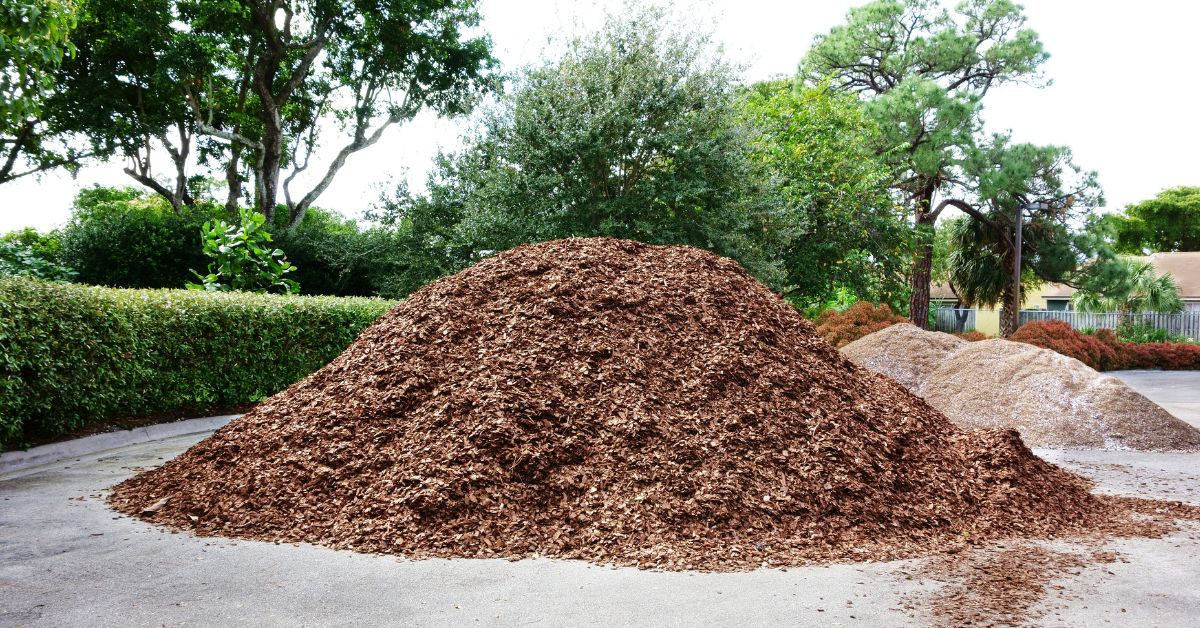

Cedar mulch can be a great option for many types of gardens, but it depends on what you’re planting and what you want your mulch to do.
Cedar mulch is best suited for ornamental beds, shrubs, perennials, and pathways where long-term weed control, moisture retention, and pest resistance are the priority. It lasts longer than most other organic mulches and has a distinct natural look and scent that many homeowners appreciate.
That said, it’s not the top choice for every garden. If your goal is to enrich soil quickly or you’re working with delicate seedlings or vegetable beds, you may want to look at faster-decomposing mulches like compost or bark. Cedar doesn’t break down fast, which means it offers fewer nutrients back to the soil.
So, good for the right job, not ideal for all. The rest of this article breaks down where cedar mulch performs best, and where it falls short.
Garden Types Where Cedar Mulch Works Well
Cedar mulch can be a great addition to certain types of gardens, especially when the goal is to suppress weeds, retain soil moisture, and reduce maintenance. Its natural oils help repel insects, and its slow decomposition means you won’t need to replace it every season. Below are the garden types where cedar mulch performs well:
Perennial Flower Gardens
Perennial beds are one of the best uses for cedar mulch. Because these plants come back year after year and typically don’t require frequent soil disturbance, a long-lasting mulch like cedar is ideal. It keeps the soil moist, reduces weed pressure, and adds a clean, uniform look between blooms. The aromatic scent and rich colour also enhance the overall presentation of a perennial garden, especially when it’s in a front yard or high-visibility area.
Cedar’s slow decomposition isn’t a drawback here; these gardens don’t rely heavily on yearly nutrient turnover, and most perennials prefer stable soil conditions.
Herb Gardens
Herbs tend to thrive in well-drained soil and don’t usually need frequent fertilization. Cedar mulch can help maintain a stable soil environment and prevent splashing or drying out during hot weather. While some herbs prefer slightly alkaline soil, cedar’s natural acidity is mild and generally not an issue when applied correctly in a thin layer (2–3 inches).
Another plus: cedar’s insect-repelling properties can discourage pests that are often attracted to tender herbs like basil or mint. For established herb gardens, especially those in raised beds, cedar mulch offers a nice balance between aesthetics and function.
Cutting Gardens
Cutting gardens, grown specifically to harvest flowers for arrangements, benefit from the neat appearance and weed suppression that cedar mulch provides. These gardens often contain taller flowers with large blooms, which can be vulnerable to wind and water splash. Cedar mulch helps protect the base of plants and keeps the surrounding area looking clean and easy to navigate when harvesting stems.
Because cutting gardens typically use established annuals or perennials planted in repeat rows, soil enrichment isn’t always the top priority, making cedar’s slow breakdown a non-issue.
In all of these garden types, what matters most is stability, weed control, and moisture retention, and that’s exactly where cedar mulch delivers. It’s not for every planting style, but in these cases, it’s one of the best options available.
Garden Types Where Cedar Mulch Falls Short
While cedar mulch has clear strengths, it’s not the best choice for every garden. Some planting styles depend more on fast nutrient cycling, beneficial insect activity, or frequent replanting, where cedar’s long-lasting, pest-resistant properties can actually get in the way. Here’s where it tends to fall short:
Vegetable Gardens
Cedar mulch isn’t the top pick for most vegetable beds. The same oils that repel pests can also deter pollinators and beneficial insects, which many crops rely on. Plus, cedar mulch breaks down slowly and contributes little organic matter to the soil, something that vegetable plants need in abundance.
In high-turnover beds where you’re planting, harvesting, and amending soil regularly, a mulch that breaks down quickly (like straw, shredded leaves, or compost) will serve the soil and your plants much better.
Annual Flower Gardens
Annuals often require rich soil and frequent planting changes throughout the season. Because cedar mulch takes time to decompose, it doesn’t help rebuild or feed the soil between plantings. And while it does help retain moisture and reduce weeds, those benefits are outweighed in beds where you’re regularly digging, replanting, or rotating colours.
For annual flower gardens, consider a mulch that supports soil health while still offering coverage, like composted bark or leaf mulch.
Pollinator Gardens
Cedar’s insect-repelling oils can work against you in a pollinator-focused garden. While they’re useful for keeping pests like ants away, they may also deter bees, butterflies, and other beneficial insects that these gardens are meant to support.
For these gardens, you’re better off with a neutral, untreated organic mulch that won’t interfere with insect activity. Shredded bark, compost, or even untreated straw can provide the weed suppression you need without disrupting pollination.
In short, if your garden relies on soil enrichment, beneficial insects, or regular replanting, cedar mulch likely isn’t the best match. It’s not harmful, but it’s not helping much either, and there are better-suited alternatives for those growing styles.
Other Areas of the Garden Where Cedar Mulch Works Well
Cedar mulch isn’t just for planting beds. It also performs exceptionally well in the in-between spaces, the parts of the garden that don’t need rich soil or regular digging, but still benefit from coverage, weed control, and visual consistency.
Around Trees and Shrubs Within the Garden
If your garden includes ornamental trees or established shrubs, cedar mulch is a practical choice around their base. It helps retain moisture, regulates soil temperature, and keeps weeds from competing with the root systems. Just be sure to leave a few inches between the mulch and the trunk to prevent rot.
Between Raised Beds or Along Garden Paths
Whether you’re walking between raised planters or along a border path, cedar mulch is great for filling in those spaces. It holds its shape well, won’t blow around easily, and gives the entire garden a more finished, cohesive appearance. It also helps suppress weeds in areas where you may not want grass or invasive plants creeping in.
Dry, Low-Planting Zones Within the Garden
Some parts of the garden, like corners that are hard to irrigate or edges where plants struggle, can be hard to manage. Cedar mulch helps cover those zones without requiring ongoing care. It keeps the soil protected and visually consistent with the rest of your garden, even if nothing’s growing there.
Using cedar mulch in these non-planting parts of your garden ties everything together, reduces maintenance, and reinforces the clean lines and structure of your outdoor space.
Recapping The Benefits of Cedar Mulch
Cedar mulch has a very specific strength: it protects and tidies up garden spaces without demanding constant upkeep. If you’re working with established plants or low-maintenance areas, it’s one of the most effective materials you can use.
Here’s a quick summary of what it does well:
- Naturally repels insects without the need for chemical sprays
- Adds a pleasant, natural cedar scent that freshens up the garden
- Suppresses weeds by blocking light and forming a physical barrier
- Helps retain soil moisture during hot, dry conditions
- Lasts longer than most organic mulches + less frequent replacement
- Improves the look of your garden with its clean texture and rich, natural colour
Where to Buy Cedar Mulch in The Edmonton Area
If you’ve decided cedar mulch is the right fit for your garden, you can get it locally—delivered fast and in the quantity you need.
At Devonian Landscape, we offer cedar mulch in both bulk and bulk bags, with same-day or next-day delivery available across Edmonton and surrounding areas. You can also stop by our yard for pickup if you prefer to load it yourself.
Whether you’re covering a perennial bed, refreshing your garden borders, or just want a mulch that looks sharp and lasts, our cedar mulch is a dependable choice for long-term results.