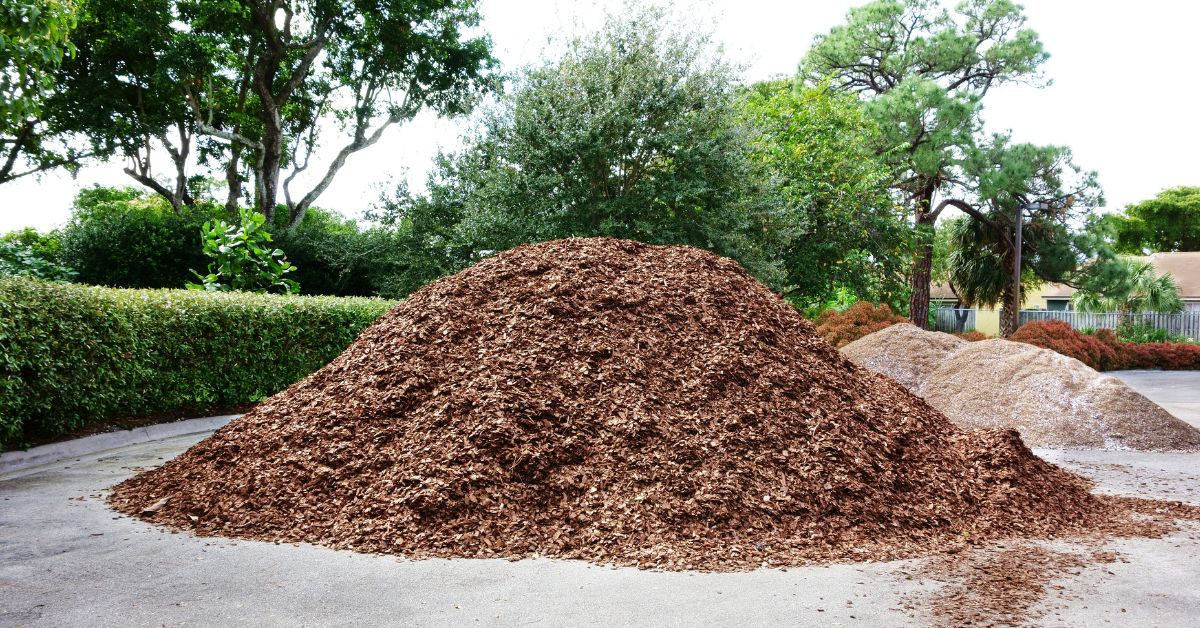

How to Remove Grass with Mulch Effectively
Mulch can kill grass underneath when applied correctly, making it an efficient way to clear lawn areas and prepare garden beds without chemicals or digging. By blocking sunlight and limiting oxygen, mulch causes turf to weaken, decompose, and integrate into the soil. This creates a fertile base, reduces maintenance, and prepares the area for planting.
In Edmonton, where dry summers and short growing seasons increase the need for efficient landscaping solutions, this approach provides a reliable way to convert lawns into garden beds, reduce mowing zones, or suppress turf in narrow and hard-to-reach areas. However, successful results depend on proper surface preparation, adequate mulch depth, and the use of effective barrier materials.
This article outlines how mulch kills grass, when the method is most effective, and how to apply it correctly using products supplied by Devonian Landscape.
Can Mulch Kill Grass?
Yes. Mulch will kill grass when it blocks sunlight, traps moisture, and restricts airflow. Grass cannot survive without light. Once covered, it yellows, weakens at the roots, and decomposes. A thick, consistent mulch layer prevents recovery and gradually eliminates turf.
Full suppression takes time. The rate depends on mulch depth, barrier use, season, and weather conditions. Thin mulch, poor coverage, or dry soil often lead to incomplete results and patchy regrowth.
A physical barrier such as cardboard or newspaper strengthens the process by forming a lightproof seal. This prevents deeper-rooted grass from pushing through, especially during spring growth.
Moisture is also essential. Pre-watering the area and lightly soaking the mulch after application promotes faster decomposition. In Edmonton’s dry climate, this step improves reliability and outcome.
When to Use Mulch to Kill Grass
Mulch is effective for killing grass when the goal is to eliminate turf without excavation, chemicals, or sod removal. It is well suited for converting lawn into planting beds, edging around trees, or reducing maintenance in narrow, sloped, or irregular areas.
Common applications include:
Creating New Garden Beds
Mulch suppresses grass and improves soil structure. Once decomposition begins, the area becomes easier to cultivate for vegetables, perennials, or shrubs.
Expanding Plant Borders
Around existing trees or shrubs, mulch removes turf, improves water retention, and reduces nutrient competition.
Covering Hard-To-Mow Areas
Steep banks, tight corners, and narrow strips require frequent trimming. Mulch reduces labour and improves appearance.
Preventing Turf From Spreading
A dense mulch layer stops lateral growth and defines the boundary between grass and garden.
In Edmonton, this method offers a reliable way to reclaim lawn space without major excavation. It is especially useful for phased garden updates or small redesigns.
How to Kill Grass With Mulch
Killing grass with mulch requires proper layering, consistent moisture, and full surface coverage. When applied correctly, turf breaks down without the need for excavation or herbicides.
Mow The Grass Low
Trim the grass to its shortest height using a mower. Remove all clippings and debris to expose the soil surface.
Water The Area
Soak the grass thoroughly. Moisture softens the turf and allows the barrier to settle into place.
Apply a Barrier
Use plain cardboard or several layers of newspaper to block light. Overlap all seams to prevent gaps. Do not use plastic or synthetic fabric, as these do not decompose and may hinder soil improvement.
Add Mulch
Spread 3 to 4 inches of mulch over the entire surface. Ensure complete edge-to-edge coverage to eliminate light exposure. The weight of the mulch helps anchor the barrier and seal the surface.
Water Again
Lightly soak the mulch to help it settle and begin decomposition. In Edmonton’s dry climate, this step improves effectiveness.
With proper application, the grass will die off within several weeks. Suppression is typically faster in spring or early summer when soil temperature and moisture levels are more favourable.
What Kind of Mulch Works Best to Kill Grass
Not all mulch performs equally when used to smother grass. The most effective types are dense, moisture-retentive, and able to form a consistent seal over the surface. Organic mulch is the preferred choice, especially when finely shredded.
Cedar mulch performs well in Edmonton’s variable weather. It is heavier than straw or leaf mulch, which helps it stay in place during wind and rain. Cedar also contains natural oils that discourage some pests and slow decomposition, allowing it to last longer with minimal maintenance.
Dyed mulch—available in black, brown, or red—can also be effective. These products are typically made from recycled wood and have a uniform appearance. While they may break down slightly faster than cedar, they offer aesthetic advantages for high-visibility areas.
Avoid bark nuggets, pine straw, and rock mulch when the goal is to kill grass. These materials allow light and air to reach the surface, which reduces suppression. Rock mulch also does not break down or enrich the soil and is better suited for permanent non-planting zones.
For best results, use a dense, fibrous mulch with full surface coverage and no large gaps. Devonian Landscape supplies both natural and coloured mulch by the yard, suitable for garden conversions and grass elimination projects throughout Edmonton.
Common Mistakes That Prevent Mulch From Working
Mulching over grass is effective only when applied correctly. The following errors often lead to poor results or turf regrowth:
Using Too Little Mulch
A layer under 3 inches allows light through. Grass may yellow but recover. Apply 3 to 4 inches for full coverage and effective suppression.
Skipping The Barrier Layer
Without cardboard or newspaper, deep-rooted grasses may grow through the mulch. A barrier blocks light completely and accelerates decomposition.
Leaving Gaps or Exposed Edges
Light and air can reach the soil through seams or uncovered zones. Overlap barrier sheets and extend mulch beyond the area being covered.
Choosing The Wrong Mulch
Coarse materials such as bark nuggets or rock do not block light consistently. Use finely shredded, organic mulch that holds moisture and forms a tight seal.
Placing Mulch Against Structures
Mulch should not touch tree trunks, fence posts, or foundations. Moisture buildup in these areas leads to rot and pest activity. Keep a clear gap at all vertical surfaces.
Avoiding these mistakes ensures the mulch works as intended—smothering the grass and supporting long-term conversion.
Will The Grass Grow Back?
Grass will not grow back if mulch is applied correctly. A thick layer, combined with a proper barrier, blocks light and oxygen, causing the turf to decompose fully.
Regrowth occurs when coverage is shallow, seams are exposed, or the barrier is missing. Aggressive species such as creeping red fescue or quackgrass may push through gaps if the method is not followed precisely.
To prevent this, apply at least 3 inches of mulch, overlap the barrier fully, and inspect for weak points. If regrowth appears, reinforce the area with additional mulch and patch the barrier.
Moisture is also essential. Dry conditions slow decomposition and allow roots to survive. Water before and after application to improve effectiveness.
Once smothered, the dead grass can remain in place. It will break down naturally and enrich the soil for future planting.
How Much Mulch Do You Need to Kill Grass?
To kill grass effectively, mulch must be applied in a consistent layer between 3 and 4 inches deep. Anything less may allow light to reach the surface, resulting in incomplete suppression. Adequate depth also helps retain moisture and secures the barrier in place.
Use the guide below to estimate how much mulch is required based on area size:
| Area Size | Mulch Needed (3–4 inch depth) |
| 100 square feet | 1 cubic yard |
| 300 square feet | 3 cubic yards |
| 500 square feet | 5 cubic yards |
For larger areas, round up to avoid thin spots or missed coverage. Underestimating mulch volume is a frequent cause of patchy results.
Devonian Landscape supplies natural and coloured mulch by the yard, available for pickup or delivery throughout Edmonton. Ordering the correct amount at the outset ensures full coverage and fewer trips.
Risks and Limitations of Killing Grass With Mulch
While mulching is an effective method for smothering grass, it has limitations. Understanding these helps avoid setbacks and improves long-term results.
Slower Results in Cold Weather
Decomposition slows in early spring or late fall due to low soil temperatures. Apply mulch during warmer months for faster grass suppression.
Regrowth From Missed Areas
Gaps in the barrier, uneven mulch depth, or exposed edges allow grass to survive. Even a small patch can re-establish if not fully covered. Inspect the area and reinforce weak spots as needed.
Pest Issues in Over-Mulched Zones
Applying mulch deeper than 4 inches may attract slugs, earwigs, or other moisture-seeking pests, especially in shaded or poorly drained areas.
Moisture Damage Near Structures
Mulch placed against tree trunks, posts, or foundations traps moisture. This encourages mold, rot, and insect activity. Always leave space between mulch and vertical surfaces.
Mulch is not an instant solution. However, when applied correctly, it offers a gradual, low-maintenance method for eliminating grass without excavation or chemicals.
Frequently Asked Questions
Can I put mulch directly over grass without removing it first?
Yes. Mow the grass short and apply a cardboard barrier before mulching to ensure full suppression.
How long does it take for mulch to kill grass?
Between four and eight weeks, depending on mulch depth, barrier use, and weather conditions.
Should I use cardboard or landscape fabric under mulch?
Use cardboard. It blocks light, holds moisture, and decomposes naturally. Avoid plastic or synthetic fabric.
Do I need to water before applying mulch?
Yes. Moisture softens the grass and supports faster decomposition. Water again after applying mulch to settle the layers.
How deep should mulch be to kill grass effectively?
Apply 3 to 4 inches. Shallower layers often fail to block light fully.
Will grass grow back after being covered with mulch?
Not if the mulch is applied at the correct depth with a complete barrier. Gaps or thin spots may lead to regrowth.
What is the most cost-effective method for grass removal using mulch?
Use free cardboard and bulk mulch, such as natural cedar. Devonian Landscape supplies affordable bulk options across Edmonton.
Ready to Reclaim Lawn Space?
Mulch offers a reliable, chemical-free method for eliminating grass and preparing your yard for long-term planting success. When applied correctly, it suppresses turf, improves soil quality, and reduces future maintenance.
Devonian Landscape supplies natural and coloured mulch in bulk, with delivery available across Edmonton. Whether you are converting a small garden or redesigning an entire yard, our team can help you choose the right product and quantity for clean, lasting results.
Contact us today to schedule delivery or request a quote for your next project.