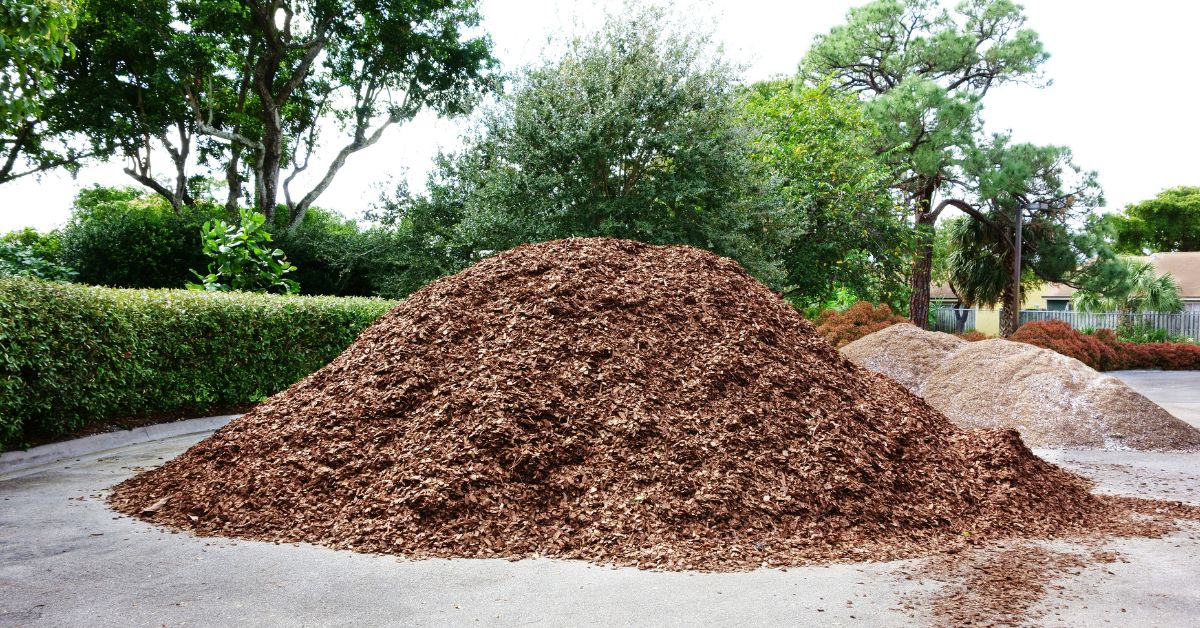
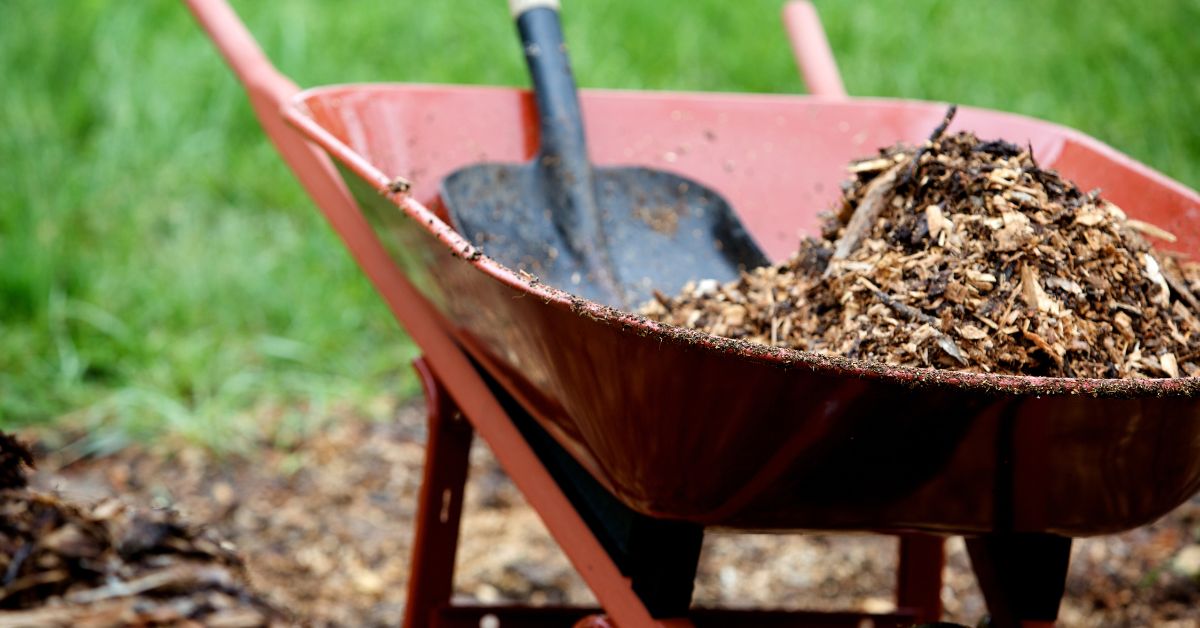
Old mulch that has compacted, discoloured, or started to decompose can harm the landscape rather than protect it. It traps moisture, blocks airflow, and attracts pests—conditions that stress plants and reduce the effectiveness of any new mulch added above it.
In Edmonton, where freeze and thaw cycles accelerate mulch breakdown, ignoring this deterioration leads to poor drainage, shallow root development, and inconsistent plant performance. Removing and replacing old mulch at the right time helps restore soil health, improve appearance, and ensure your landscape performs as it should.
This guide outlines when removal is necessary, how to clear mulch efficiently, what to do with the waste, and how to prepare your beds for clean, long-lasting results.
When It Is Time to Remove Old Mulch
Remove mulch if you observe any of the following:
- A sour or ammonia-like odour
- Matted or crusted surfaces that repel water
- Visible moud, slime, or fungal growth
- Nesting insects such as ants or earwigs
- Water pooling on the surface
- Faded, grey, or silvery discolouration
These issues signal that the mulch has broken down and is no longer protecting the soil. Instead of supporting plant health, it begins to trap moisture, block airflow, and create ideal conditions for disease and pests. Adding new mulch over damaged material will only worsen these effects and lead to further stress on your landscape.
Average Mulch Lifespan in Edmonton
Lifespans vary by material:
| Mulch Type | Expected Lifespan |
| Shredded dyed mulch | 1 to 2 years |
| Bark nuggets | 2 to 4 years |
| Natural cedar mulch | 3 to 5 years |
Regardless of type, if the mulch appears flattened, discoloured, or soggy by spring, inspect it closely and determine whether full removal is necessary.
How to Remove Old Mulch Step by Step
Removing old mulch is straightforward with the right tools and a methodical approach. The goal is to clear compacted or decomposed material without disturbing the healthy soil beneath.
Recommended Tools
- Flat shovel or scoop shovel
- Pitchfork
- Hard rake or landscape rake
- Tarp or contractor-grade yard bags
- Wheelbarrow
Step-by-Step Removal Process
1. Identify what needs to be removed
Examine each bed for mulch that is compacted, discoloured, or waterlogged. Isolated areas that remain loose and clean may not require removal and can be reused elsewhere.
2. Loosen the surface
Use a hard rake to break up the top layer. This separates mulch from the soil and exposes any underlying areas that are overly compacted or holding moisture.
3. Lift and remove
For dry mulch, a flat shovel works well. For wet or dense material, a pitchfork provides better leverage with minimal soil disruption. Work just above the soil line to avoid damaging plant roots.
4. Transfer to tarp or bags
Place removed mulch onto a tarp for easy collection. Use a wheelbarrow to transport large volumes. Avoid piling debris directly on turf or paved surfaces, as this can stain or smother them.
5. Clean the bed
Rake out remaining fragments, especially around plant bases and borders. If needed, level the soil gently to prepare for replanting or new mulch application.
Leaving mulch debris on garden beds or hardscape encourages mold, pest activity, and uneven layering. Timely cleanup ensures a smooth transition to your next landscaping step.
Can You Reuse or Repurpose Old Mulch?
Old mulch can be reused in limited situations, but only if it is clean, dry, and structurally intact. Before considering reuse, inspect the material closely:
Reuse Only If:
- No mold, fungus, or insect activity is present
- There is no sour or ammonia-like odour
- Wood pieces still retain their original shape and texture
- Mulch is not matted, slimy, or discoloured
If these conditions are met, the mulch may be reused in low-maintenance areas such as pathways, under trees, or in non-sensitive beds. Avoid reusing it in vegetable gardens or around young plants, where soil quality and root health are more critical.
If the mulch is compacted, faded, has an unpleasant smell, or shows signs of decay, it should be removed and discarded. Reapplying degraded material leads to poor drainage, pest attraction, and increased soil stress.
Alternative Repurposing Options
- Compost: Clean, untreated wood mulch can be added to a compost pile. Mix with green waste (such as grass clippings or vegetable scraps) to balance the carbon-to-nitrogen ratio and promote proper decomposition.
- Filler Material: Use as a bottom layer beneath fresh mulch in walkways, tree rings, or utility areas.
- Weed Control: Spread beneath landscape fabric in dormant beds or unused corners of the garden to suppress regrowth.
- Share or Donate: If the mulch is dry and uncontaminated, consider offering it to neighbours, local garden groups, or community gardens.
- Store for Later Use: Keep it dry, covered, and off the ground. Avoid stacking near fences or structures to reduce pest attraction and moisture buildup.
If the mulch is rotten, moldy, or pest-infested, it is safest to dispose of it completely. When clean, however, responsible reuse or repurposing helps reduce waste and extend the value of the original material.
Can Old Mulch Be Mixed Into Garden Soil?
Old mulch should not be mixed into the soil unless it is fully decomposed and has taken on the texture and appearance of compost. Partially broken-down mulch continues to decay underground and will tie up nitrogen in the process. This deprives plants of essential nutrients and leads to poor growth, yellowing foliage, and stunted root development.
If the mulch still resembles wood chips or repels water, it is not suitable for soil integration. In such cases, remove and discard it. To enrich garden beds, use finished compost or well-aged organic matter instead.
When in doubt, clear the area and apply fresh materials. Mixing undecomposed mulch into the soil creates more harm than benefit and reduces planting success.
Where to Dispose of Old Mulch in Edmonton
When mulch cannot be reused, composted, or repurposed, proper disposal prevents pest attraction, surface staining, and bylaw violations. Edmonton homeowners have several disposal options depending on the volume and condition of the material.
Curbside Yard Waste Collection
Small quantities of old mulch may be placed in large paper yard waste bags and set out on designated collection days. Bags must contain only organic material and be free of soil, rocks, and plastic. Plastic bags are not accepted.
Drop-Off Depots
Larger volumes can be taken to an Eco Station or the Edmonton Waste Management Centre. Mulch should be clean, loose, or bagged in compostable paper. Weight limits or minor fees may apply depending on the facility.
Professional Removal Services
For mulch that is waterlogged, moldy, or mixed with non-organic debris, a professional removal service may be the most efficient solution. This is especially useful during seasonal cleanups and can often be combined with mulch delivery and installation for convenience.
Do Not Burn Mulch
Burning yard waste is not permitted within Edmonton city limits. It creates fire risk, contributes to poor air quality, and may result in fines. Burning also offers no advantage over composting or responsible disposal.
After removal, dispose of mulch promptly. Leaving piles on turf, driveways, or hard surfaces can stain materials, attract pests, and lead to mold growth. Timely disposal keeps the property clean and ready for replanting or mulch replacement.
How to Prepare Garden Beds After Mulch Removal
Once the old mulch has been cleared, proper bed preparation is essential before applying a new layer. Skipping this step leads to uneven coverage, drainage problems, and reduced mulch longevity.
1. Inspect the Soil
Examine the soil for signs of compaction, poor drainage, or plant stress. If the surface is dense or emits a sour odour, loosen it gently with a rake or cultivator. This improves airflow and water absorption without disturbing root systems.
2. Level and Grade
Rake the area evenly to eliminate high and low spots. A smooth surface ensures consistent mulch coverage and prevents water from pooling.
3. Apply Fresh Mulch
Select a mulch type suited to the specific conditions of the landscape:
- Cedar mulch – Long-lasting, naturally pest-resistant, and visually uniform
- Black mulch – Enhances curb appeal and retains soil warmth, ideal for early-season planting
- Brown mulch – Neutral appearance, blends well in shaded or woodland areas
- Bark mulch – Coarse and durable, effective in large beds or around mature trees
Recommended products
-

Premium Fir Mulch
Price range: $77.00 through $155.00 -

Shredded Cedar Mulch
Price range: $51.00 through $117.00 -

Black Colored Mulch
Price range: $58.00 through $125.00
Apply mulch to a depth of two to three inches. Keep mulch away from plant stems and tree trunks to avoid moisture buildup and disease. Maintain a small gap around each plant base to allow airflow and prevent rot.
When to Apply Fresh Mulch After Removal
The best time to apply new mulch is shortly after old material has been removed and the soil has been prepared. In Edmonton, late April through early June is ideal. By this point, the ground has thawed, excess moisture has drained, and the soil is workable.
Spring application allows the mulch to settle with rainfall, insulate plant roots before heat stress begins, and suppress early weed growth. Waiting too long may reduce these benefits and allow unwanted growth to take hold.
Avoid mulching too early, as excess moisture from melting snow can become trapped and lead to rot. Mulching too late may disturb root systems during active growth and allow weeds to establish.
For homeowners seeking efficiency, Devonian Landscape offers bulk mulch delivery and full-service installation. Mulch can be delivered and spread during the same visit, ensuring proper depth, coverage, and timing.
FAQ: Removing, Reusing, and Replacing Old Mulch
What are the signs that mulch has gone bad?
A sour smell, matted texture, visible mold, faded colour, and surface water pooling are clear signs that mulch is no longer effective and should be removed.
How long does mulch typically last in Edmonton?
Shredded dyed mulch lasts 1 to 2 years. Bark mulch lasts 2 to 4 years. Natural cedar mulch may last up to 5 years. Freeze-thaw cycles and wind exposure can shorten these lifespans.
Can I reuse mulch from last season?
Yes, if the mulch is dry, clean, and structurally intact. Reuse it only in low-maintenance areas, not around sensitive or young plants.
Is it safe to compost old mulch?
Yes, if the mulch is free of mold, pests, and chemicals. Mix with green waste to balance decomposition.
Should old mulch ever be mixed into the soil?
No. Unless fully decomposed, old mulch ties up nitrogen during breakdown and can impair plant growth.
Can I burn old mulch to dispose of it?
No. Burning is prohibited in most parts of Edmonton, poses a fire risk, and provides no practical benefit.
When should I remove old mulch in Edmonton?
Late April through mid-May is ideal. By this time, the ground has thawed and dried, allowing for clean removal, bed preparation, and timely replacement before the growing season begins.
Conclusion: Keeping Your Landscape Healthy with Timely Mulch Removal
Old mulch that has compacted, faded, or begun to decompose should not be ignored. Once it loses structure, it interferes with drainage, traps excess moisture, and creates conditions that stress plant health.
Regular inspection and timely removal are essential for maintaining healthy garden beds in Edmonton’s climate. Whether the material is reused, repurposed, or fully replaced, the priority is knowing when it has outlived its usefulness.
Proper mulch removal, soil preparation, and reapplication improve root health, enhance moisture retention, and support long-term landscape performance.
For homeowners requiring assistance, Devonian Landscape supplies high-quality mulch products and offers professional installation services throughout the Edmonton region.