Rubber Mulch vs Real Mulch: Why Natural Wins in Edmonton’s Climate
Rubber mulch is turning up in more Edmonton yards each year. It is marketed as a clean, recycled, low-maintenance option, but once installed, many homeowners discover its hidden costs. From chemical leaching to fire risk, rubber mulch creates lasting problems that are especially serious in Edmonton’s clay-rich soils and extreme climate.
Rubber mulch introduces harmful compounds into the soil. It does not break down naturally, contributes to microplastic pollution, and leaches heavy metals that can contaminate groundwater. Its surface absorbs and retains heat, which stresses plant roots and alters soil conditions. Unlike organic mulch, it does not improve soil structure or support beneficial organisms. Once installed, removal can be costly, and restoration of the soil may take years.
This article provides a clear, evidence-based assessment of rubber mulch and its long-term effects on Edmonton landscapes. It outlines why Devonian Landscape does not supply rubber mulch and identifies safer, more effective alternatives suited to the region’s climate and soil.
What Is Rubber Mulch Made From?
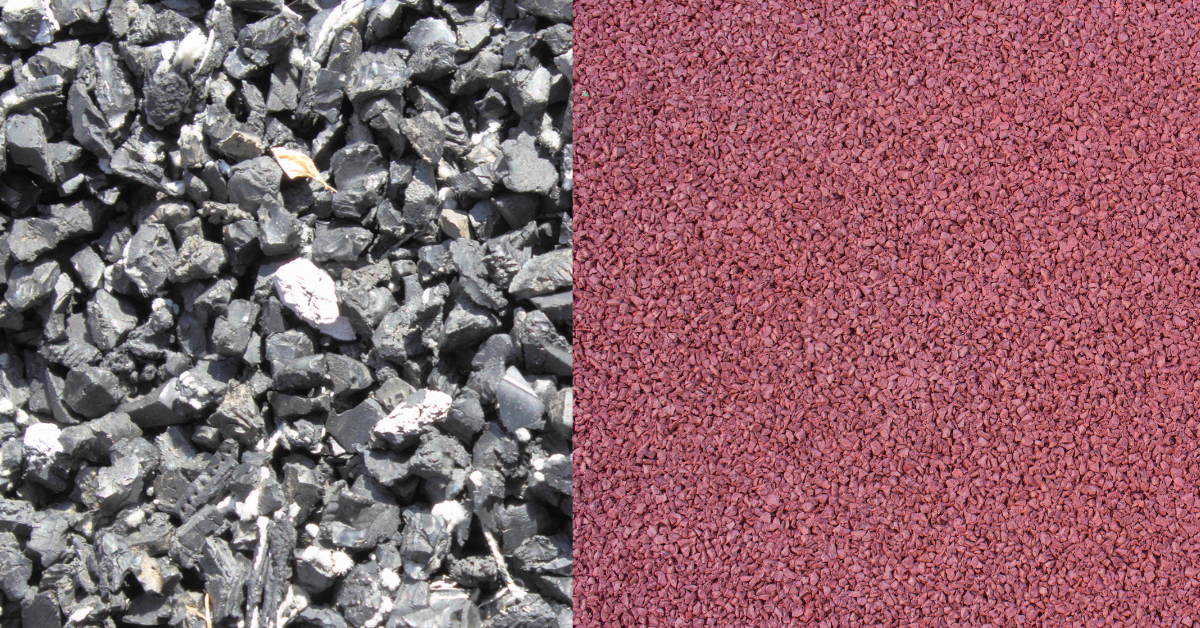
Rubber mulch is made from ground-up tires that have been processed to remove steel components and fiber strands. What remains is shredded synthetic rubber, often dyed for a uniform appearance and marketed as a durable, recycled material suitable for landscaping.
Although rubber mulch is made from recycled tires, it retains many of the same industrial compounds found in the original material—including zinc, lead, and polycyclic aromatic hydrocarbons (PAHs). These chemicals can leach into soil and water, especially when exposed to sunlight and moisture. While some manufacturers claim their products are non-toxic, there is no formal regulation governing their safety for garden use.
Environmental Impact of Rubber Mulch
Rubber mulch introduces long-term environmental risks that outweigh its convenience. Unlike natural mulch, it does not decompose. Instead, it gradually breaks down into smaller synthetic fragments, contributing to microplastic accumulation in soil. These fragments can persist for decades and negatively affect soil structure, drainage, and biological activity.
More concerning is the release of chemical leachates. As rubber mulch is exposed to rain, sunlight, and freeze-thaw cycles, it emits compounds such as zinc, cadmium, and volatile organic chemicals. These substances can accumulate in the soil, disrupt root function, and harm nearby plants. In garden beds near stormwater systems, there is also the risk of runoff carrying contaminants into aquatic environments.
Studies have shown that rubber mulch can alter soil pH, reduce earthworm populations, and suppress beneficial microbial activity. These impacts are especially problematic in Edmonton’s clay-rich soil, where drainage and microbial balance are already sensitive.
Why Rubber Mulch Harms the Environment
Rubber mulch may look neat on the surface, but it creates an inhospitable environment for healthy plant growth beneath. One of the most immediate concerns is heat retention. Unlike natural mulch, which insulates the soil, rubber absorbs and radiates heat. During Edmonton’s summer months, surface temperatures in rubber mulch beds can exceed 60°C, stressing or damaging plant roots.
Rubber mulch also offers poor water regulation. It does not retain moisture effectively, nor does it allow for proper aeration. As a result, plants may suffer from inconsistent hydration and compacted soil. In a city where many yards are built on dense, clay-heavy subsoil, this compounds drainage issues and increases the risk of root rot or stunted growth.
Another critical issue is its effect on beneficial soil life. Earthworms, fungi, and microbes are essential to soil structure and nutrient cycling. These organisms do not thrive in chemically contaminated or heat-stressed soil conditions. The presence of rubber mulch often leads to sterile soil zones where natural biological processes break down.
While rubber mulch may suppress weeds, it does so at the cost of plant vitality and soil health.
Fire and Safety Hazards
Rubber mulch poses a significantly higher fire risk than organic alternatives. Once ignited, it burns at high temperatures and is difficult to extinguish. Unlike natural mulch, which may smoulder or self-extinguish when isolated from a flame source, rubber mulch can sustain combustion and release toxic fumes.
Fire officials across North America have issued warnings about the use of rubber mulch in residential and commercial landscapes, particularly near buildings, fences, and utility structures. In dry conditions or near outdoor heat sources, a single spark can lead to rapid ignition.
In Edmonton’s dry summer months, where grass and groundcover can already become tinder dry, the presence of rubber mulch increases the risk of fire damage. It is unsuitable for areas where fire safety is a concern or where open flames, grills, or machinery are regularly used.
Is Rubber Mulch Truly Eco-Friendly, or Greenwashed?
Rubber mulch is often marketed as an eco-conscious product because it repurposes discarded tires, reducing landfill waste. However, this framing overlooks the broader environmental consequences of introducing synthetic rubber into a living landscape.
While it may delay disposal, rubber mulch does not break down or return any value to the soil. Instead, it introduces long-lasting contaminants and microplastics. Over time, these byproducts accumulate, creating environmental burdens rather than reducing them.
Furthermore, the idea that recycling equals environmental responsibility is misleading in this context. True sustainability supports ecosystems, improves soil health, and minimizes harm across the entire life cycle of a product. Rubber mulch fails in all three areas.
Homeowners seeking a truly eco-friendly mulch should prioritize biodegradable, organic materials that support soil regeneration and align with Edmonton’s natural growing conditions.
Organic Mulch Alternatives for Edmonton Landscapes
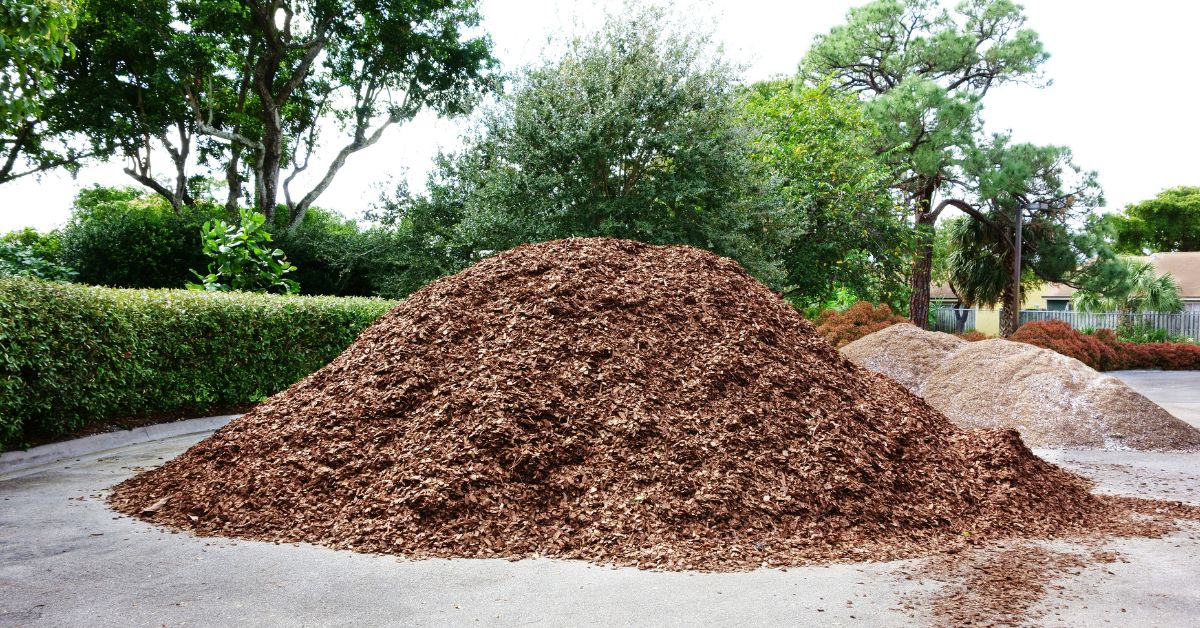
Natural mulch products offer distinct advantages over rubber mulch, especially in Edmonton’s variable climate and clay-heavy soil. Materials such as cedar mulch and shredded bark not only suppress weeds and retain moisture, but also improve soil structure as they decompose. Unlike rubber, these organic options enrich the landscape rather than disrupt it.
Cedar mulch, in particular, performs well in Edmonton yards. It breaks down slowly, making it long-lasting for a natural material. It also contains natural oils that deter pests and fungi without harming soil biology. Bark mulch is another effective choice, offering good insulation and moisture retention while gradually enhancing soil composition through organic matter.
In clay-dominant soil conditions, organic mulch improves aeration and supports beneficial microbial activity, which are essential for healthy root development. Natural mulch also regulates soil temperature more effectively, reducing plant stress during both summer heat and winter freezes.
Devonian Landscape supplies high-quality cedar and bark mulch that is locally stocked and well suited to Alberta’s unique conditions. These materials provide a practical, sustainable alternative to rubber mulch and support the long-term health of both your garden and the environment.
How to Remove Rubber Mulch and Restore Soil Health
Homeowners who have already installed rubber mulch may begin noticing issues over time: declining plant health, unusual runoff, or soil that feels compacted and lifeless. While removing rubber mulch can be labour-intensive, it is often necessary to restore the landscape and prevent further environmental impact.
Start by carefully removing all visible pieces of rubber mulch, using a rake and gloved hands to ensure thorough collection. Dispose of the material according to local waste guidelines, as rubber mulch is not accepted in standard composting or green waste programs. Contact Edmonton’s waste management services for direction on proper disposal or recycling drop-off options.
Once the rubber is cleared, assess the soil. In many cases, topdressing with clean topsoil or compost will help remediate any damage. This step is especially important if the rubber mulch has been in place for multiple seasons or if food plants will be grown in the area. Testing the soil for contaminants such as zinc may also be worthwhile if vegetables or fruit trees are planned.
Re-mulch the area with natural, biodegradable materials such as cedar or bark mulch. These organic options will help restore moisture balance, improve soil quality, and support a healthier landscape going forward.
Why Devonian Does Not Carry Rubber Mulch
At Devonian Landscape, the decision not to carry rubber mulch is grounded in both environmental responsibility and practical performance. While recycled rubber products may appear convenient on the surface, they present long-term risks that conflict with the principles of sustainable landscaping.
Rubber mulch does not support healthy soil. It introduces chemical contaminants, suppresses beneficial organisms, and creates challenges in moisture and temperature regulation. In Edmonton’s climate, where soil conditions are already demanding, these drawbacks become more pronounced. The material offers no biological return, degrades over time into pollutants, and poses a measurable fire risk.
Devonian Landscape remains committed to offering materials that work with the environment, not against it. Our cedar and bark mulches are locally sourced, biodegradable, and proven to perform in Alberta’s unique conditions. These products do more than cover soil; they contribute to long-term landscape health, reduce maintenance needs, and align with the values of responsible land stewardship.
Frequently Asked Questions
Can rubber mulch be used in vegetable gardens?
No. It can leach chemicals into the soil, making it unsuitable for food-growing areas.
Should I use landscape fabric under rubber mulch?
Yes, but it only prevents sinking—not chemical leaching—while adding cost and complexity.
Is rubber mulch heavier than bark mulch?
Yes. Its density helps resist wind but makes installation and removal more difficult.
Is rubber mulch safe around irrigation systems?
No. It can retain heat and release chemicals that may harm drip lines and affect water flow.
Does rubber mulch qualify for green building or eco-rebate programs?
No. Its synthetic makeup and long-term environmental impact disqualify it from most programs.
Can rubber mulch catch fire easily?
Yes. It is flammable, burns at high temperatures, and is difficult to extinguish once ignited.
The Bottom Line: Rubber Mulch Is Not Worth the Environmental Cost
Rubber mulch may appear to be a modern landscaping shortcut, but its long-term impact tells a different story. From chemical leaching and microplastic pollution to poor soil compatibility and fire risk, it introduces far more problems than it solves. While it is marketed as eco-friendly because it repurposes waste tires, the environmental cost of installing rubber mulch outweighs its temporary convenience.
For Edmonton homeowners, where climate extremes and clay-heavy soil already present challenges, the risks are even greater. Devonian Landscape does not carry rubber mulch because it does not align with sustainable or responsible landscape practices. Instead, we offer proven alternatives such as cedar and bark mulch, materials that perform naturally, support soil health, and fit the needs of Alberta landscapes.
Visit Devonian Landscape or contact our team for guidance on mulch products that deliver real environmental value