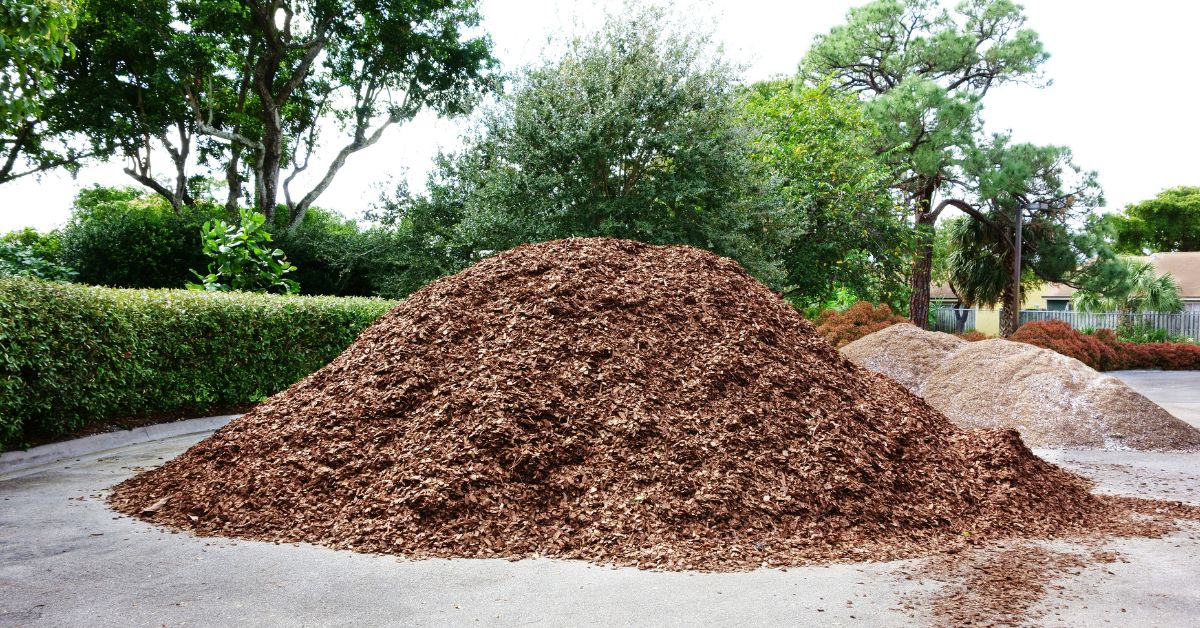

Cedar mulch is a common choice in Edmonton landscapes due to its rich colour, natural aroma, and insect-repelling qualities. However, it is not suitable for all settings. When used in the wrong environment, cedar mulch can interfere with plant development, disrupt beneficial insect activity, and increase maintenance demands. Understanding where this material excels, and where it falls short will help Edmonton homeowners make informed decisions that support lasting landscape health.
When Cedar Mulch Is Not the Right Fit
Cedar mulch is best reserved for ornamental and perennial plantings. In other contexts, it may reduce plant vitality, alter soil conditions, or interfere with beneficial ecological processes.
Unsuitable for Annuals and Vegetables
Cedar mulch is unsuitable for vegetable plots or annual herb beds. Its natural oils may suppress seed germination, slow root growth, and hinder nutrient absorption in shallow-rooted crops. In Edmonton’s spring climate, its density can trap excess moisture, increasing the risk of rot and fungal disease.
Limited Soil Enrichment
Cedar decomposes slowly, offering little organic enrichment. Unlike fast-breaking mulches such as leaf matter or composted bark, it contributes minimal nutrients or structural improvement to the soil. For gardens that require regular replenishment, cedar is a poor choice.
May Repel Beneficial Insects
While cedar’s oils deter pests such as ants and termites, they may also discourage beneficial insects like bees, beetles, and decomposers. These species support pollination and healthy soil conditions. Overuse of cedar mulch may reduce their presence and upset ecological balance.
Not Recommended for Enclosed or Windless Areas
In enclosed spaces, such as raised beds, greenhouses, or low-ventilation tunnels, cedar’s aromatic compounds may accumulate, stressing sensitive plants or triggering allergic reactions. Neutral, non-aromatic mulches are more appropriate for these environments.
Higher Cost in Large Quantities
Cedar mulch is typically more expensive than dyed or composted alternatives. In large-scale installations, this cost adds up without proportional benefit. Budget-conscious projects may achieve similar results with more economical options.
Where Cedar Mulch Performs Well
Effective Around Trees, Shrubs, and Perennials
Cedar mulch benefits established plantings by regulating soil temperature, suppressing weeds, and conserving moisture. Its slow decomposition provides a stable, low-maintenance surface across seasons, making it ideal for use around shrubs, trees, and ornamental borders.
Useful in Pest-Prone Zones
Cedar’s natural oils provide supplementary pest deterrence in vulnerable areas such as perimeter beds and fence lines. While not a substitute for pest control, it can support broader management efforts.
Visually Strong in High-Visibility Areas
Cedar mulch retains its natural reddish tone longer than many dyed options. It provides visual warmth and contrast in front yards, commercial entrances, and display beds. Paired with edging or stone, it defines space and improves curb appeal.
Best Practices for Application
Apply cedar mulch at a depth of two to three inches, keeping it clear of plant stems and trunks to prevent rot. In nutrient-demanding beds, layer compost beneath the cedar to preserve its surface benefits while supporting soil health.
Mulch Comparison: Selecting the Right Material
Each type of mulch serves a different role depending on its breakdown rate, moisture retention, and appearance. The following table outlines how cedar compares with other options available from Devonian Landscape.
| Mulch Type | Material | Best Uses | Longevity | Not Recommended For | Distinctive Feature |
| Cedar Mulch | Natural cedar wood | Ornamental beds, pest-prone areas | Long-lasting | Vegetable gardens, enclosed beds | Repels insects naturally |
| Black Mulch | Dyed wood blend | Decorative borders, visual contrast | Moderate to long | Areas with frequent runoff | Strong colour contrast |
| Brown Mulch | Dyed wood blend | General landscaping, perennial beds | Moderate to long | Light-coloured stone or trim | Neutral aesthetic |
| Red Mulch | Dyed wood blend | Commercial displays, themed areas | Moderate | Naturalized or formal garden designs | High visibility, bold appearance |
Sourcing the Right Mulch for the Right Landscape
Not every mulch suits every setting. A material that performs well in one bed may create challenges in another. At Devonian Landscape, mulch recommendations are based on plant selection, soil condition, and long-term goals.
Cedar mulch is stocked for projects where its benefits are desirable. When it is not the best fit, alternatives are readily available. Staff provide Edmonton-specific guidance to help clients select the right material the first time.
All materials are delivered clean and on time. On-site assistance is available for installation depth, product compatibility, and maintenance tips. Whether the goal is plant health, appearance, or reduced upkeep, Devonian offers the tools and expertise to support it.
Frequently Asked Questions About Cedar Mulch
Does cedar mulch kill plants?
Not directly, but it may interfere with annuals and seedlings due to its natural oils.
Is cedar mulch safe for vegetable gardens?
No. It retains moisture and may disrupt shallow roots or deter pollinators.
Does cedar mulch change soil pH?
Slightly. Its tannins may lower pH, though the impact is minimal in balanced soils.
Does cedar mulch repel bugs?
Yes, including both harmful pests and helpful insects like bees or decomposers.
Is cedar mulch safe for pets?
Yes, but ingestion may cause irritation. Monitor pets that chew or dig in mulch.
How long does cedar mulch last?
It decomposes slowly and may last several years with minimal replenishment.
Final Thoughts
Cedar mulch performs well in specific applications but requires careful placement to avoid unintended effects. It is best suited to stable, ornamental settings and should be avoided in nutrient-sensitive or enclosed environments.
Devonian Landscape supplies cedar mulch alongside a full selection of alternatives. For help choosing the right product for your garden conditions, visit in person or contact the team. With expert guidance and high-quality materials, Devonian ensures every landscape begins with the right foundation.