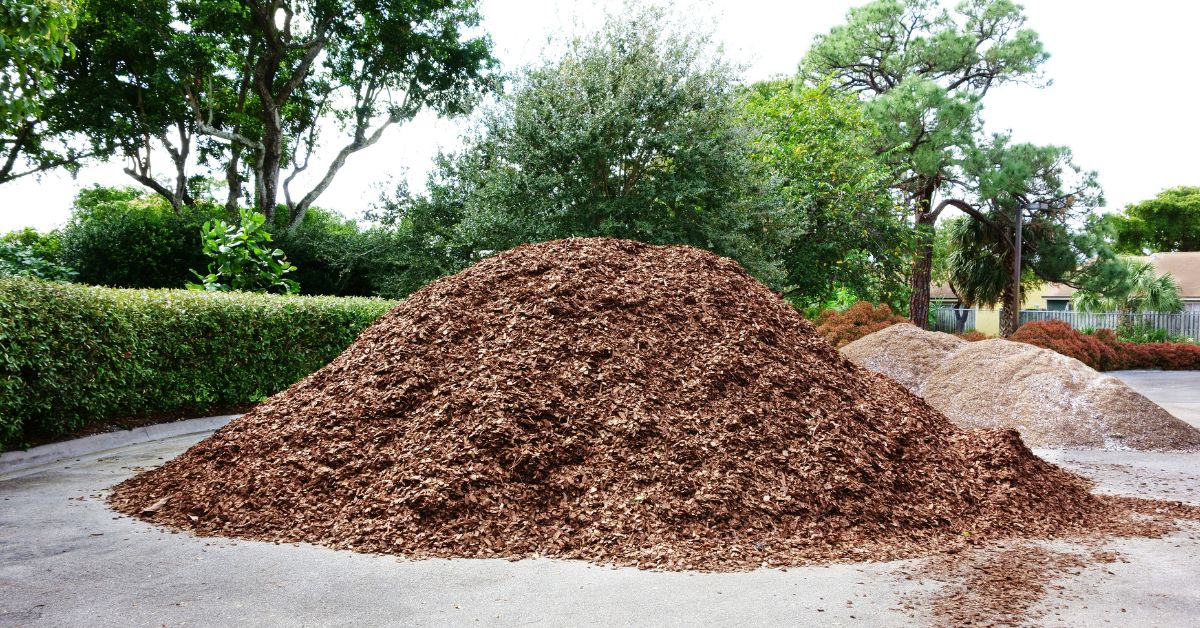

If you are holding off on mulching because you are worried it might attract bugs, you are not alone. This is one of the most common concerns homeowners have when planning their landscaping—especially near homes, gardens, or outdoor living areas.
Here is the truth: mulch can attract bugs, but it depends entirely on what type you use, how it is installed, and how well it is maintained. In many cases, the problem is not the mulch itself but the way it creates damp, compact environments that insects thrive in.
The good news is that with the right mulch and proper placement, you can keep pests in check while still reaping all the benefits mulch offers: cleaner garden beds, better moisture retention, fewer weeds, and improved curb appeal.
This guide will break down which mulch types are more likely to attract bugs, which ones help repel them, and how to use mulch safely and effectively in your yard—especially in Edmonton’s climate.
Why Use Mulch at All?
Mulch does more than make garden beds look clean and polished. It plays a practical role in maintaining soil conditions and reducing upkeep throughout every season.
A properly applied layer of mulch:
- Retains soil moisture by slowing evaporation
- Suppresses weed growth by blocking light
- Regulates soil temperature through hot and cold cycles
- Reduces erosion from wind and rainfall
- Protects soil from compaction due to foot traffic or weather
In Edmonton, where freeze-thaw cycles, clay soil, and dry summers are common, mulch makes it easier to maintain healthy, balanced soil without constant intervention. Bare soil dries out faster, compacts more easily, and gives weeds a foothold.
Concerns about bugs are valid, but skipping mulch altogether often creates a different set of problems. The better approach is to choose materials that resist insect activity and install them the right way from the start.
Which Types of Mulch Attract Bugs—and Which Do Not
Different mulches break down in different ways, and that directly impacts which insects they attract, repel, or support. Choosing the right material starts with understanding how it behaves in the landscape.
Mulches That Tend to Attract Insects
- Straw and leaf mulch
These break down quickly and trap moisture, making them ideal for vegetable gardens but also appealing to pill bugs, earwigs, slugs, and ants. Without regular turning or drying out, they can overrun quiet corners of a yard. - Pine bark and softwood mulch
Retains moisture well and can form dense layers that encourage ants, centipedes, and other shelter-seeking bugs. Thick application makes the problem worse. - Composted mulch
If fully cured, this is low-risk. But unfinished or “hot” composted mulch can attract bugs feeding on decaying organic material, especially near foundation walls or shady areas.
Mulches That Help Deter Insects
- Cedar mulch
Naturally pest-resistant. The oils in cedar help repel ants, termites, cockroaches, and other insects that homeowners want to avoid. It also decomposes slowly, reducing the food source for bugs that thrive on rotting material. In Edmonton, cedar performs especially well through wet springs and long winters. - Cypress mulch
Similar to cedar, though less available locally. It resists decay and has a dense structure that discourages burrowing insects.
What That Means for Bug Activity
When people say mulch attracts bugs, what they usually mean is that poor mulch selection or bad installation encourages the wrong kind of insect activity.
But not all bugs are harmful.
Many insects play a crucial role in maintaining healthy soil:
- Worms and decomposers help break down organic material and improve soil texture.
- Ground beetles and ladybugs feed on pest insects and help reduce garden damage without chemicals.
- Pollinators like bees and hoverflies thrive in garden beds that are mulched with breathable, untreated material.
The key is balance. Cedar mulch is excellent for repelling nuisance insects around structures, but if used too heavily in planting beds, it may also discourage beneficial bugs and slow microbial activity in the soil.
Use cedar where pest control is a priority: along foundations, patios, or fence lines. For areas where soil life matters more, consider a lighter mulch like bark or compost that supports a healthy ecosystem while still deterring excessive pests with proper care.
How to Use Mulch Without Attracting Bugs
Apply the Right Depth
- Keep mulch between 2 and 3 inches deep. Anything thicker traps moisture, compacts over time, and becomes a shelter for ants, pill bugs, and slugs.
- Thinner is better near structures. Along house walls, decks, and fences, aim for no more than 2 inches, or switch to low-organic mulch like rock or landscape fabric in tight zones.
Keep Mulch Away from Structures
- Never pile mulch directly against house foundations, siding, posts, or wood fences.
- Leave a bare buffer zone of 12 to 24 inches between mulch and any vertical wood surface to prevent moisture buildup and bug access.
- Use edging or hardscape materials to contain mulch without pressing it up against structures.
Let Mulch Breathe
- Turn mulch with a rake at least once or twice a year to break up compacted layers and let the surface dry out.
- Avoid layering fresh mulch on top of old without checking for compaction or signs of pest activity.
- Make sure surrounding areas have good drainage. Standing water or soggy ground increases insect pressure regardless of mulch type.
Monitor and Replace When Needed
- Replace mulch if it becomes soggy, moldy, or starts breaking down into compost. Decomposing mulch attracts insects more than fresh material.
- For high-risk areas (e.g., near vents or wood structures), consider refreshing cedar mulch annually to maintain its repellent effect.
These small changes make a big difference. Bug problems usually start with poor mulch habits, not with the mulch itself. Install it properly and you will create a clean, healthy landscape, not an insect hiding spot.
Our Top Mulch Picks for Edmonton Yards
Every mulch type behaves differently when it comes to moisture, decomposition, and insect activity. Devonian Landscape carries a focused selection of mulches that perform well in Edmonton’s climate, with options that range from highly pest-resistant to design-oriented decorative blends.
Premium Fir Mulch
Premium fir mulch is made from shredded fir trees and offers a medium texture with a warm, natural tone. It holds its colour well and breaks down at a moderate rate, making it a balanced choice for garden beds where appearance and soil protection both matter.
In terms of insect activity, fir mulch is neutral. It does not repel bugs like cedar, but it also does not break down as quickly as softer materials like straw or untreated wood chips. When applied correctly and kept off structures, it performs reliably without attracting pests.
Shredded Cedar Mulch
Cedar is the best option when insect resistance is a priority. The natural oils in cedar mulch actively repel ants, termites, and other insects that might otherwise take shelter in garden beds or near foundations. It also decomposes slowly, which means fewer pest-attracting conditions over time.
This mulch works especially well around homes, fences, and high-traffic areas where pest control matters most. In Edmonton’s climate, cedar also stands up to wet springs and harsh winters without breaking apart or losing its structure.
Black or Red Colored Mulch
Both black and red mulch are made from dyed recycled wood, engineered for long-lasting colour and UV resistance. They are popular for their clean, consistent appearance and are often used in front yards, commercial landscapes, and high-visibility planting beds.
These mulches are not pest-repelling by nature, but they are not especially prone to insect problems either—as long as they are installed at proper depth and kept away from wooden structures. Their performance depends more on maintenance than material. If used in shaded or poorly draining areas, regular turning is key to avoid compaction and moisture buildup.
Shredded Spruce / Pine Mulch
This blend is made from a mix of spruce and pine trees—two softwoods that break down faster than cedar or fir. The texture is coarser and more fibrous, giving it a rustic look that suits naturalized beds or larger landscape areas.
Because it decomposes more quickly, this mulch can attract insects if left unchecked. Ants, pill bugs, and earwigs are more likely to nest in thick layers of pine or spruce mulch that stay moist. It performs best when used away from the home, in open areas with good drainage and regular maintenance.
Each mulch type has its strengths—but if bug control is your top concern, shredded cedar is the most reliable choice. For larger areas where design, cost, or volume coverage take priority, fir and spruce blends offer good performance with proper upkeep. Colored mulches bring curb appeal and structure but require regular attention to stay clean and pest-free.
The Bottom Line on Mulch and Insects in Edmonton Landscapes
Mulch only attracts bugs when the wrong material is used in the wrong place. The truth is, most insect problems come from poor installation and neglect—not from the mulch itself.
For Edmonton homeowners, the goal is not to avoid mulch. It is to choose the right type, install it correctly, and maintain it so that moisture, airflow, and decomposition stay balanced.
Cedar mulch remains the top choice for reducing insect activity. Its natural oils, long lifespan, and resistance to rot make it ideal near homes, fences, and high-risk zones. Fir and pine-based mulches perform well in garden beds and open spaces when maintained properly. Colored mulches offer visual impact but should be used with care in shaded or damp conditions.
Still unsure which mulch fits your yard? Visit Devonian Landscape in Edmonton or explore our mulch options online. Whether you are looking for pest resistance, seasonal curb appeal, or reliable coverage—we will help you find the best match for your landscape.